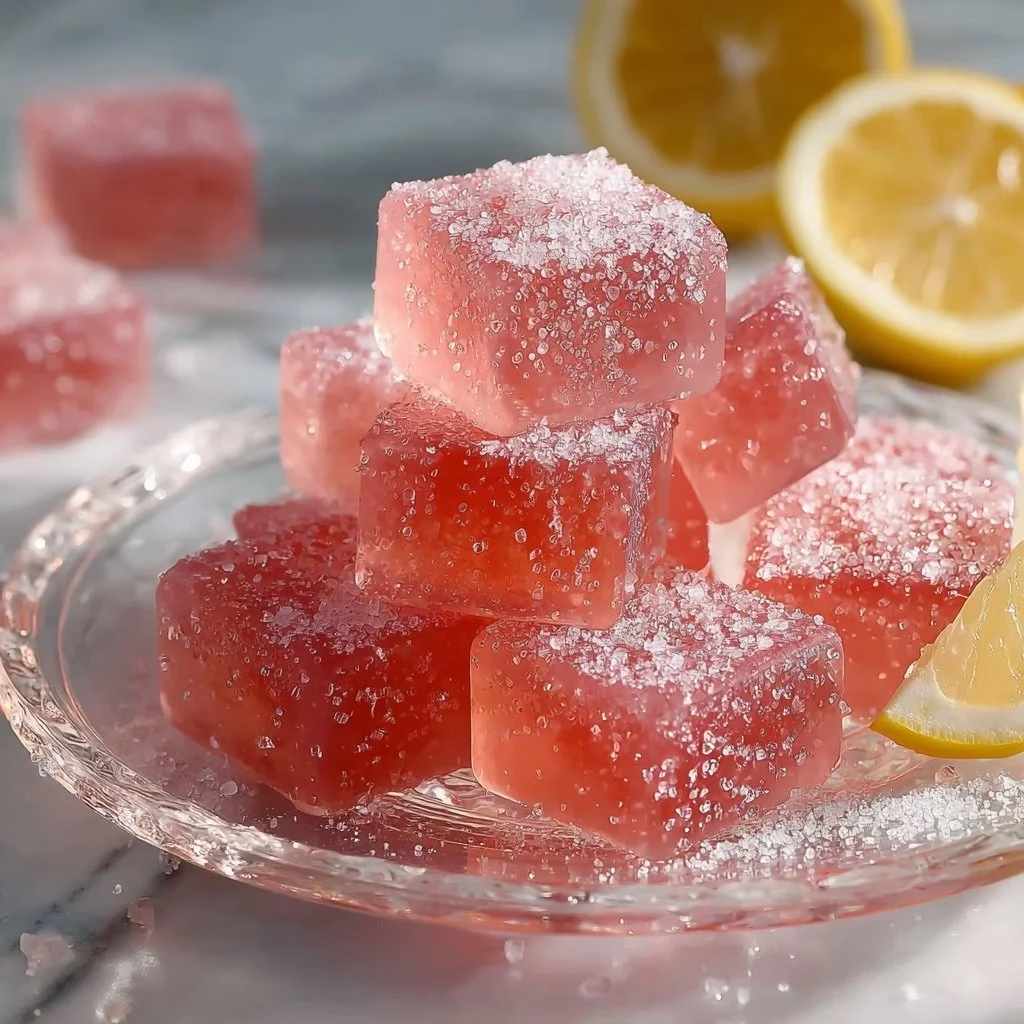
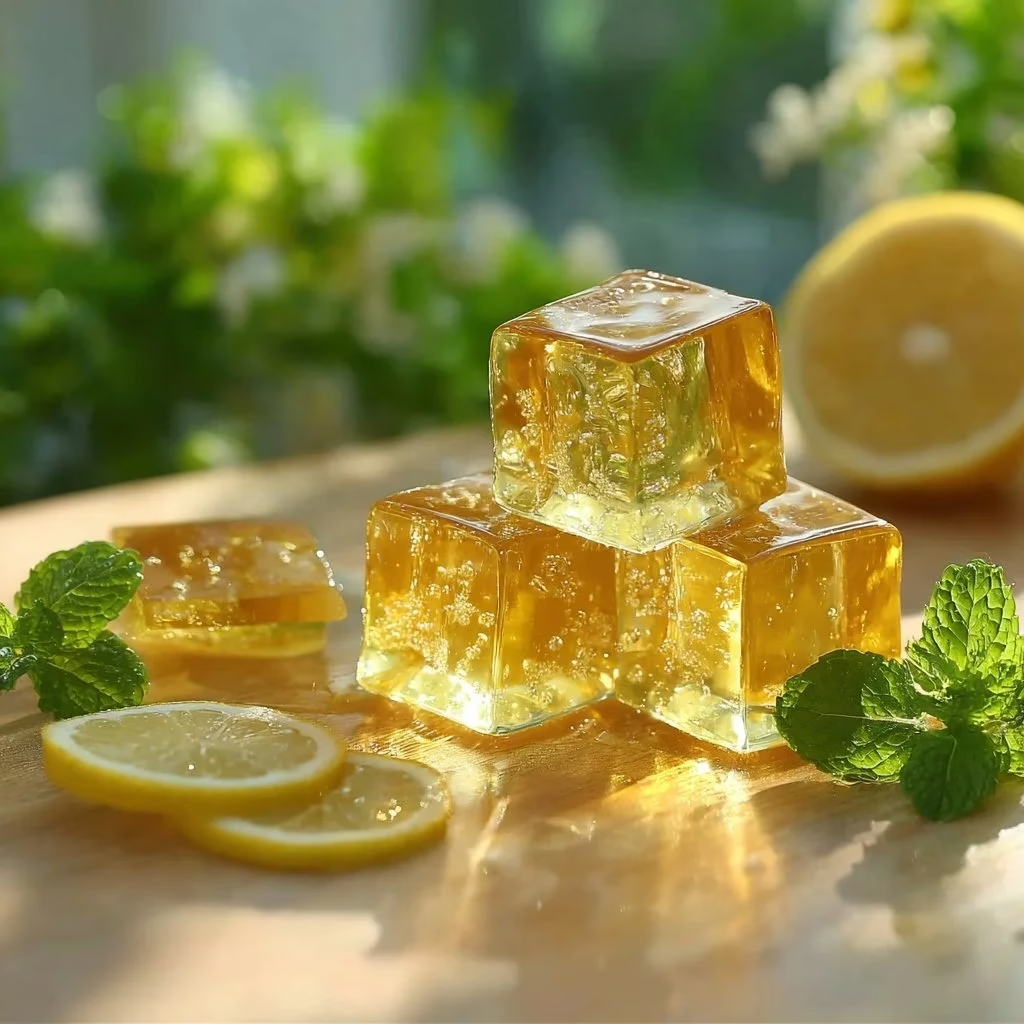
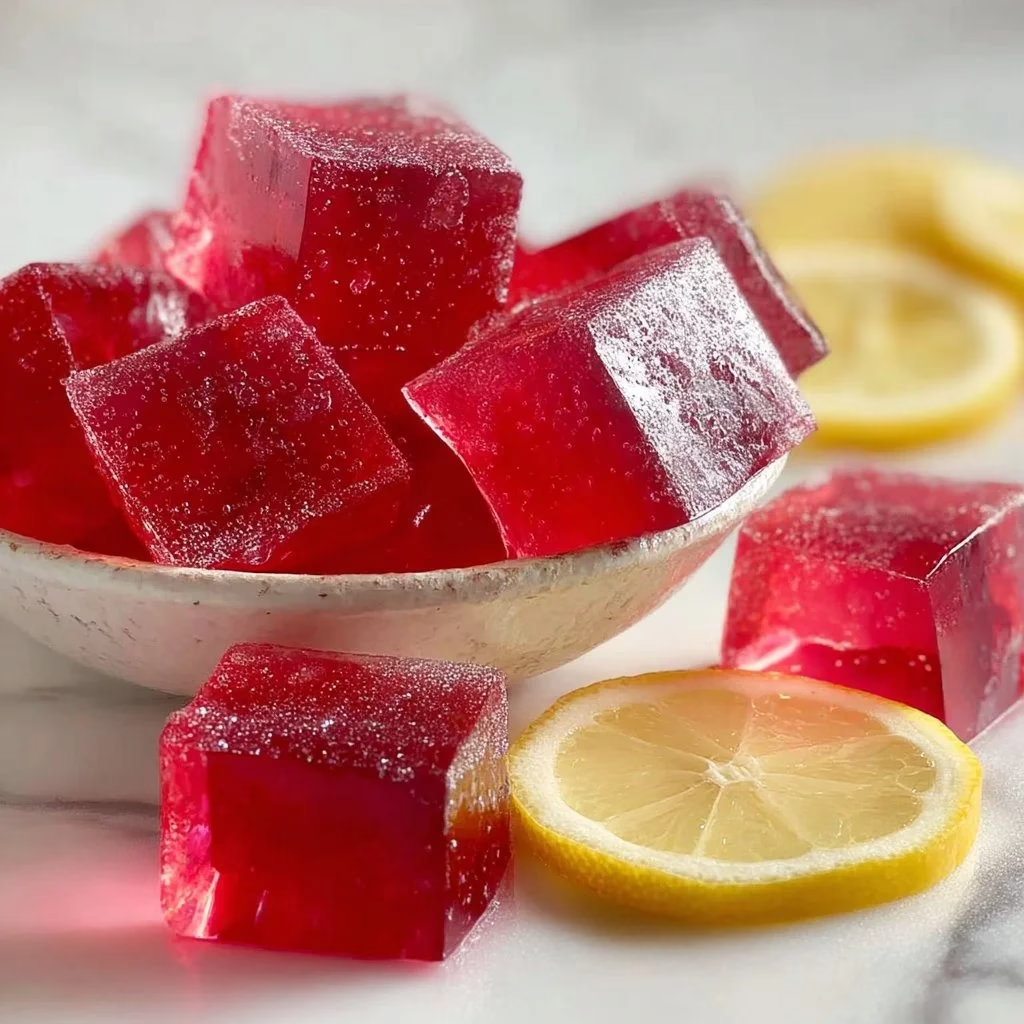
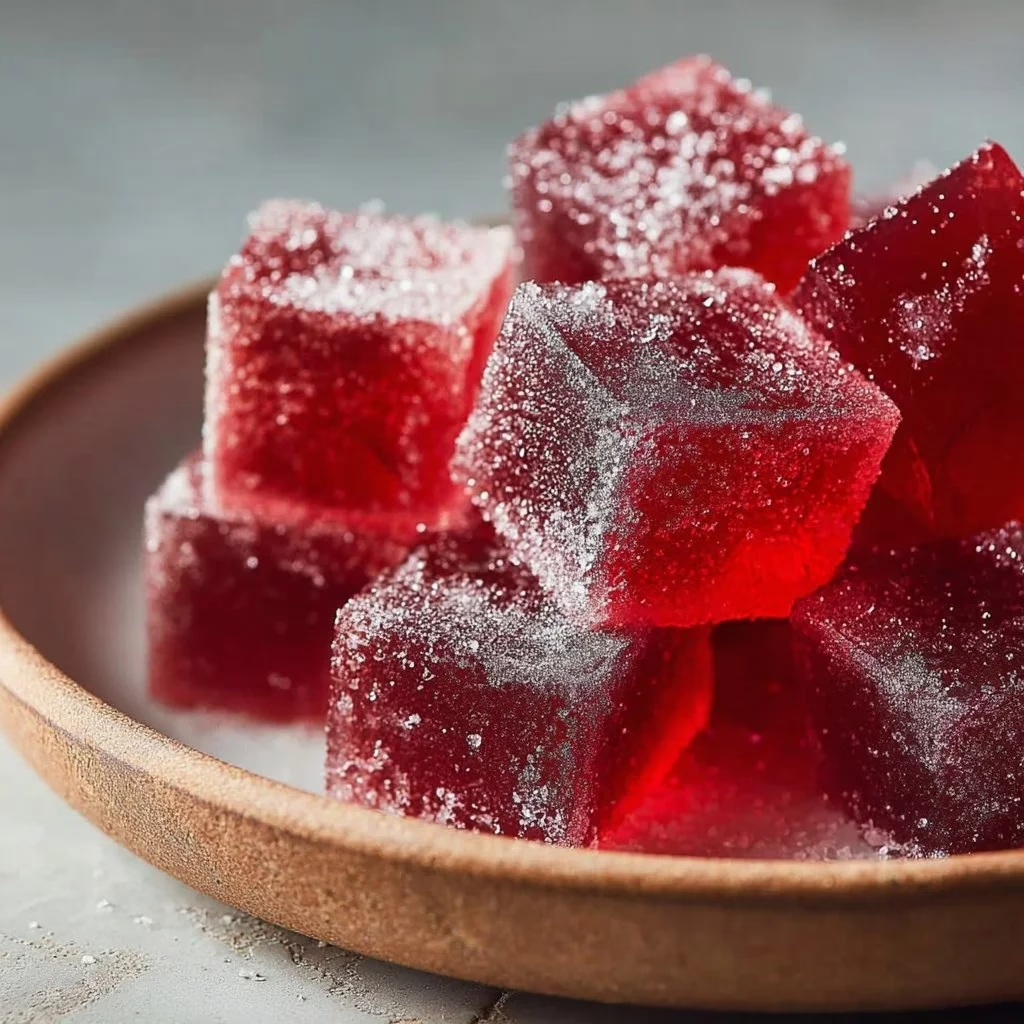
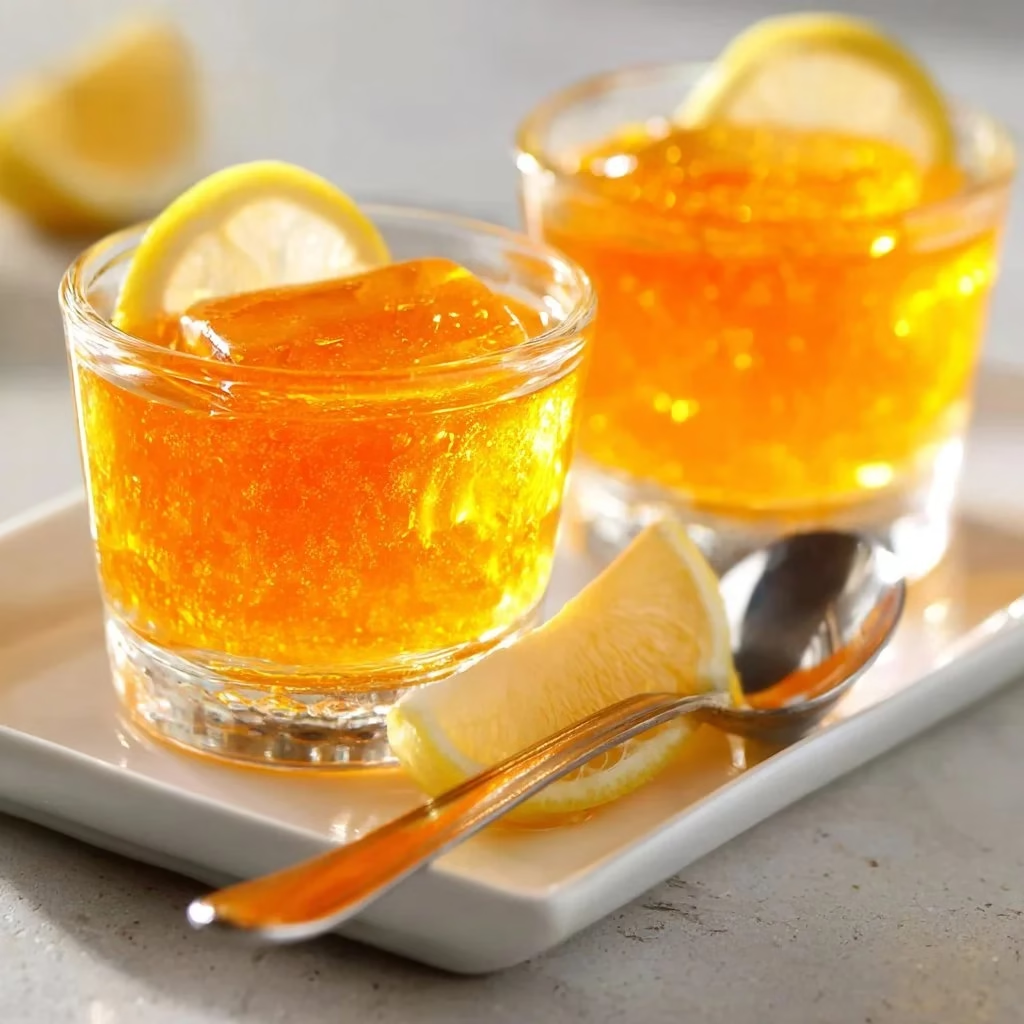
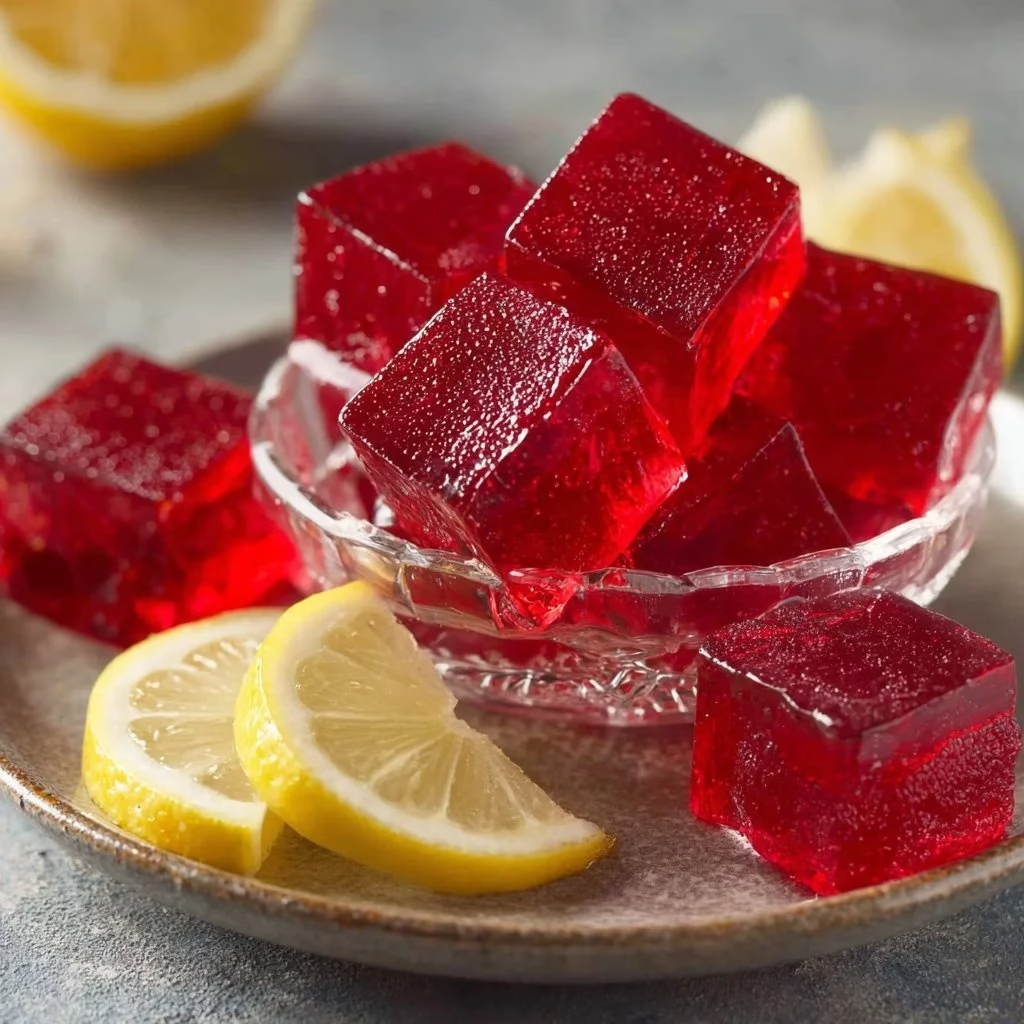
Light, slightly wobbly and packed with extra protein, this Protein Gelatin Treat is a simple snack people use to curb cravings while supporting slimming goals. It combines a mildly sweet flavor with a cool, smooth texture and a faint fruity or vanilla aroma depending on the ingredients you choose. Served chilled, the treat feels refreshing and satisfying, and the gelatin gives it a pleasant jiggle that many find comforting. If you want an easy, low-effort snack to fit into busy days and help manage hunger, give this a try and see how it fits your routine.
What Is Protein Gelatin Treat?
Protein Gelatin Treat is a dessert-style snack made by combining gelatin with a protein source, natural flavorings, and often a low-calorie sweetener. The gelatin provides body and a soft, elastic texture while the protein boosts satiety and supports muscle maintenance. People commonly use it as a low-calorie alternative to puddings and mousses because it is easy to portion and can help reduce overall calorie intake when used in place of higher-calorie snacks. For an example of a clear, slimming version, see this clear gelatin treats for weight loss which shows how simple ingredient lists can still deliver satisfying texture.
Many dieters and body recomposition enthusiasts favor gelatin-based snacks because gelatin itself contains amino acids like glycine and proline, and it gels at refrigerator temperatures so it is quick to set. While gelatin is not a complete protein, combining it with whey or Greek yogurt creates a more balanced protein profile. A neutral health note: gelatin is derived from animal collagen, so it is not suitable for vegetarians or vegans unless a plant-based gelling agent is used instead. For a fancier, decorative variation, check out this playful approach to presentation at gelatin sequins deliciously slimming treat.
Why People Love This Method for Weight Loss
Many people appreciate Protein Gelatin Treat because it combines ease, flexibility and a filling mouthfeel without a lot of prep time. It can replace higher-calorie desserts, tame late-night cravings, and be tailored to different diets by swapping protein types or sweeteners. The chilled texture and pleasant jiggle feel indulgent, which helps with adherence to a lower-calorie plan. Because recipes often use common pantry staples, it is accessible for most home cooks and dieters.
- Easy ingredients that most shoppers already have or can buy cheaply.
- Low cost when made at home compared to store-bought protein desserts.
- Fits into daily routines as a quick snack or dessert that helps control cravings.
- Hydration support when made with water or diluted juice, helping overall fullness.
- Customizable to suit keto, low-carb, or moderate-calorie plans.
Ingredients
- Gelatin powder (unflavored): Provides the gel structure and the classic texture; substitute agar-agar for a vegan version.
- Protein powder (whey, collagen, or plant-based): Adds satiety and boosts protein content; choose flavorless or complementary flavors.
- Liquid (water, milk, or unsweetened almond milk): Dissolves gelatin and protein; milk adds creaminess while water keeps calories lower.
- Sweetener (stevia, erythritol, or a small amount of sugar): Balances flavor; adjust to taste or skip if using flavored protein.
- Flavorings (vanilla extract, cocoa powder, or fruit puree): Enhances aroma and taste; use fresh fruit for natural sweetness and texture.
- Optional mix-ins (fresh berries, chopped nuts, or sugar-free syrup): Adds texture and visual interest while keeping portions controlled.
How to Make It (Step-by-Step)
Start by gathering your ingredients and lining a shallow tray or individual molds. Measure gelatin and protein according to your preferred protein target per serving, and have your liquid warm but not boiling to dissolve powders smoothly. Chilling time is short compared with many desserts, and you will notice the mixture thicken as it cools. This overview gives you the pace: dissolve, combine, cool, then enjoy chilled.
- Warm the liquid: Heat 1 cup of water or milk to just below boiling, about 180 F (82 C). The warm temperature helps gelatin and most protein powders dissolve without clumps; do not boil dairy to avoid scorching.
- Whisk in gelatin: Sprinkle 2 teaspoons of unflavored gelatin over 2 tablespoons of cold water for bloom, wait 1 minute, then whisk into the warm liquid until fully dissolved, about 1 to 2 minutes. You should see a smooth, slightly glossy mixture with no visible granules.
- Add protein and sweetener: Stir in 1 scoop of protein powder and your chosen sweetener while the liquid is still warm; whisk vigorously for 30 to 60 seconds. Taste and adjust sweetness or flavoring, adding vanilla or cocoa as needed.
- Incorporate flavorings and mix-ins: Fold in small amounts of fruit puree or chopped berries if using, stirring gently to maintain texture. Avoid heavy mix-ins that will make the set uneven; small seeds or nuts work best for contrast.
- Pour and chill: Pour the mixture into molds or a shallow dish and refrigerate for 1.5 to 2 hours until firm and cool. The dessert should feel cool to the touch, slightly springy, and have a clean aroma of your chosen flavor.
- Serve: Run a small knife around molds or scoop from a dish and serve immediately, or top with a dollop of yogurt for creaminess. Keep an eye on portions; use a spoon to gauge serving sizes if you are tracking calories.
For a quick reference recipe and beginner-friendly ratios, see this simple three-ingredient guide at 3-ingredient gelatin recipe weight loss which makes it easy to scale.
How to Use It for Better Weight Loss
Using Protein Gelatin Treat strategically can help reduce overall daily calories and improve satiety between meals. Treat it as a planned snack or dessert after a meal rather than grazing mindlessly, and pair it with water or a small high-fiber side to prolong fullness. Because the treat is chilled and textured, it can satisfy sweet cravings that might otherwise lead to higher-calorie choices. Moderation and timing matter most for results, and consistency helps integrate this snack into a sustainable plan.
- Timing: Enjoy a single serving 30 to 60 minutes after a meal or as an afternoon snack to curb sweet cravings.
- Portions: Aim for 100 to 200 calories per serving depending on your plan; measure servings rather than guessing.
- Frequency: Limit to 1 serving per day if using as a replacement for higher-calorie desserts.
- Daily habits: Combine with regular meals that include vegetables and lean protein for best results.
- Safety: If you have allergies or dietary restrictions, adjust protein sources accordingly and consult a professional for medical concerns.
Tips & Variations
This snack is highly adaptable, so you can make low-calorie versions by using water and stevia, or richer ones with milk and flavored protein. Try mixing different extracts, citrus zest, or sugar-free syrups to keep the flavors interesting. If you need a vegan option, experiment with agar-agar and plant-based protein powders, but note texture and setting behavior will differ. Small presentation changes like layering with fruit or whipping the mix lightly before chilling will alter mouthfeel without large calorie changes.
- Low-calorie option: Use water, flavorless gelatin, and a plant-based zero-calorie sweetener.
- Flavor options: Vanilla-citrus, chocolate-mint, or berry-vanilla for variety and aroma.
- Diet-friendly swaps: Replace whey with pea protein for vegan or lactose-sensitive diets.
- Texture play: Blend briefly for a mousse-like finish before setting if you prefer creamier texture.
Mistakes to Avoid
Common mistakes usually involve improper gelatin blooming, overheating dairy, or using too much thickener, which can ruin texture. Over-sweetening masks protein flavor and adds unnecessary calories, while heavy mix-ins can prevent even setting. Follow the ratios, chill fully, and taste as you go to achieve a pleasantly jiggly, not rubbery, result.
- Skipping gelatin bloom: Always bloom gelatin in cold water first to avoid grainy spots; wait 1 minute before adding warm liquid.
- Boiling dairy: Heat milk gently and avoid boiling to prevent curdling or a cooked flavor; aim for 180 F (82 C) at most.
- Too much protein powder: Adding excessive powder makes a chalky texture; stick to recommended scoop amounts.
- Not chilling long enough: Allow at least 1.5 to 2 hours to set; under-chilled gelatin will be runny.
- Overfilling molds: Leave a small gap at the top for expansion and ease of serving.
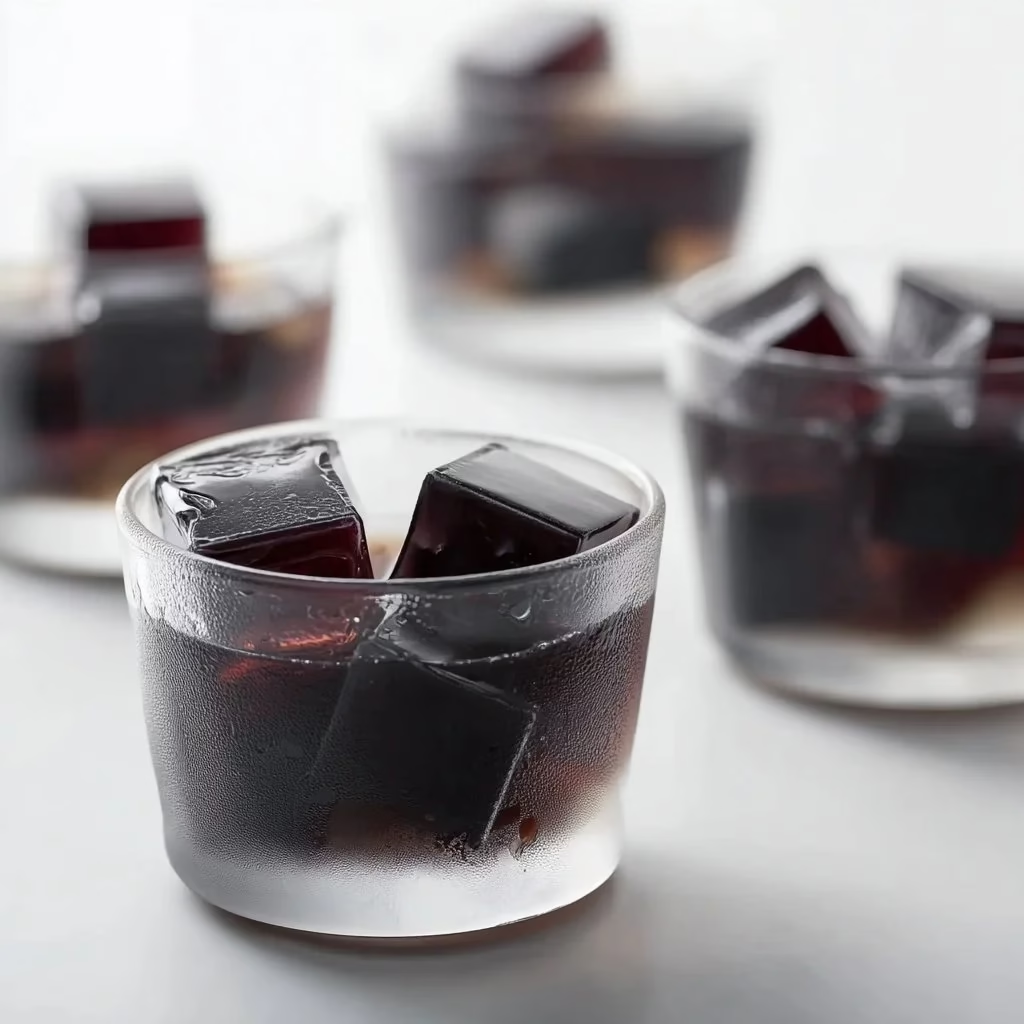
FAQs
Q: Can I prep Protein Gelatin Treat ahead of time?
A: Yes, you can prepare the treat up to 3 days in advance and keep it refrigerated in an airtight container. The texture holds well but may become slightly firmer as it sits; allow a few minutes at room temperature before serving for a softer mouthfeel. Avoid freezing unless the recipe specifically states it maintains quality.
Q: How long does it keep and what is the best storage method?
A: Store in a sealed container in the fridge for 2 to 4 days, depending on added ingredients like fresh fruit or dairy which can shorten shelf life. Label containers with the prep date and keep them on a middle shelf where temperature is consistent. Discard if it develops off-odors or visible mold.
Q: What are good substitutions for gelatin or protein powder?
A: For gelatin, agar-agar is a plant-based alternative but requires different ratios and heating to activate. For protein, use whey, collagen, or plant-based powders depending on diet and digestion; each will slightly alter texture and flavor. If avoiding protein powders, blend Greek yogurt into a gelatin base for added protein and creaminess.
Q: When is the best time to eat this for weight loss?
A: The ideal time is as a mid-afternoon snack or a controlled dessert after an evening meal to satisfy sweet cravings without excess calories. Having it after a meal can prevent post-meal snacking on higher-calorie treats. Pairing with water or a fiber-rich side can enhance fullness.
Q: Is Protein Gelatin Treat safe for everyone?
A: Gelatin is generally safe for most people, but those with dietary restrictions, allergies, or specific medical conditions should consult a healthcare professional. Pregnant or breastfeeding individuals and people taking certain medications should check with their provider before making this a regular habit. Always read labels for allergens like dairy or soy in protein powders.
Final Thoughts
Protein Gelatin Treat provides a flexible, low-effort way to enjoy a dessert-like snack while keeping calories and hunger in check. With simple swaps and a range of flavors, it can suit many dietary preferences and meal plans. It is not a magic solution but can be a useful tool for replacing higher-calorie sweets and improving satiety between meals. Try different proteins and flavorings to find the balance you enjoy most. Try it and tell me how it worked for you!
Conclusion
For a step-by-step inspiration for a DIY protein-focused option, see DIY Gelatin Protein Treatment – The Fit Curls which outlines a practical home method. If you want a science-oriented reference for mixing ratios and safety considerations, review Gelatin Protein Treatment Recipe Update – Science-y Hair Blog for detailed notes. For another approachable home recipe with clear instructions, check DIY Protein Treatment For Damaged Hair – My Merry Messy Life which adapts easily to edible applications. If you prefer a dessert-style, high-protein jello option, try this High Protein Jello Mousse | An Easy Keto Dessert Recipe! for flavor ideas. For a product-based comparison or pre-made option, explore Gelatin Protein Treatment | Catherine Marion to see commercial formulations and packaging approaches.
The information provided in this article is for educational purposes only and should not be considered medical advice. Everyone’s body is different, and what works for one person may not work for another. It’s always best to speak with your healthcare provider before making this a daily habit, especially if you are taking medications, managing a medical condition, or are pregnant or breastfeeding. Always consult your doctor for personalized guidance.
PrintProtein Gelatin Treat
A simple, protein-packed snack that curbs cravings while supporting weight loss goals.
- Prep Time: 15 minutes
- Cook Time: 0 minutes
- Total Time: 120 minutes
- Yield: 4 servings 1x
- Category: Snack
- Method: Chilling
- Cuisine: American
- Diet: High Protein
Ingredients
- 2 teaspoons unflavored gelatin powder
- 1 scoop protein powder (whey, collagen, or plant-based)
- 1 cup warm water (or milk, or unsweetened almond milk)
- Sweetener (stevia, erythritol, or a small amount of sugar)
- Flavorings (vanilla extract, cocoa powder, or fruit puree)
- Optional mix-ins (fresh berries, chopped nuts, or sugar-free syrup)
Instructions
- Gather your ingredients and line a shallow tray or molds.
- Warm the liquid to just below boiling, about 180 F (82 C).
- Whisk in the gelatin sprinkled over cold water for bloom, then add to warm liquid until fully dissolved.
- Add the protein powder and sweetener while liquid is warm; whisk for 30-60 seconds.
- Incorporate flavorings and mix-ins gently to maintain texture.
- Pour into molds and refrigerate for 1.5 to 2 hours until firm.
- Serve immediately or top with yogurt if desired.
Notes
Experiment with flavors, and use small mix-ins for better texture. Ensure proper blooming of gelatin for best results.
Nutrition
- Serving Size: 1 serving
- Calories: 100
- Sugar: 1g
- Sodium: 50mg
- Fat: 1g
- Saturated Fat: 0g
- Unsaturated Fat: 1g
- Trans Fat: 0g
- Carbohydrates: 5g
- Fiber: 0g
- Protein: 21g
- Cholesterol: 5mg
Keywords: protein snack, gelatin treat, weight loss, healthy dessert, low-calorie dessert