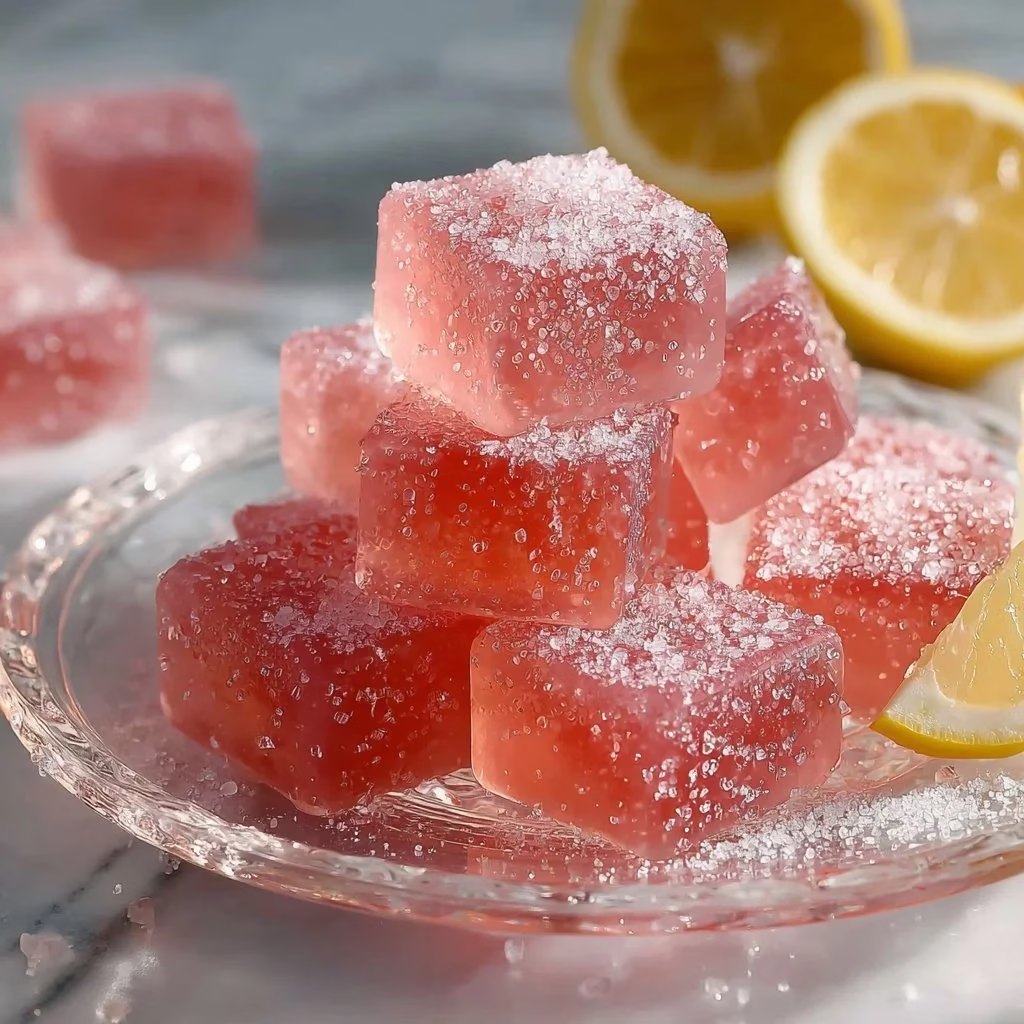
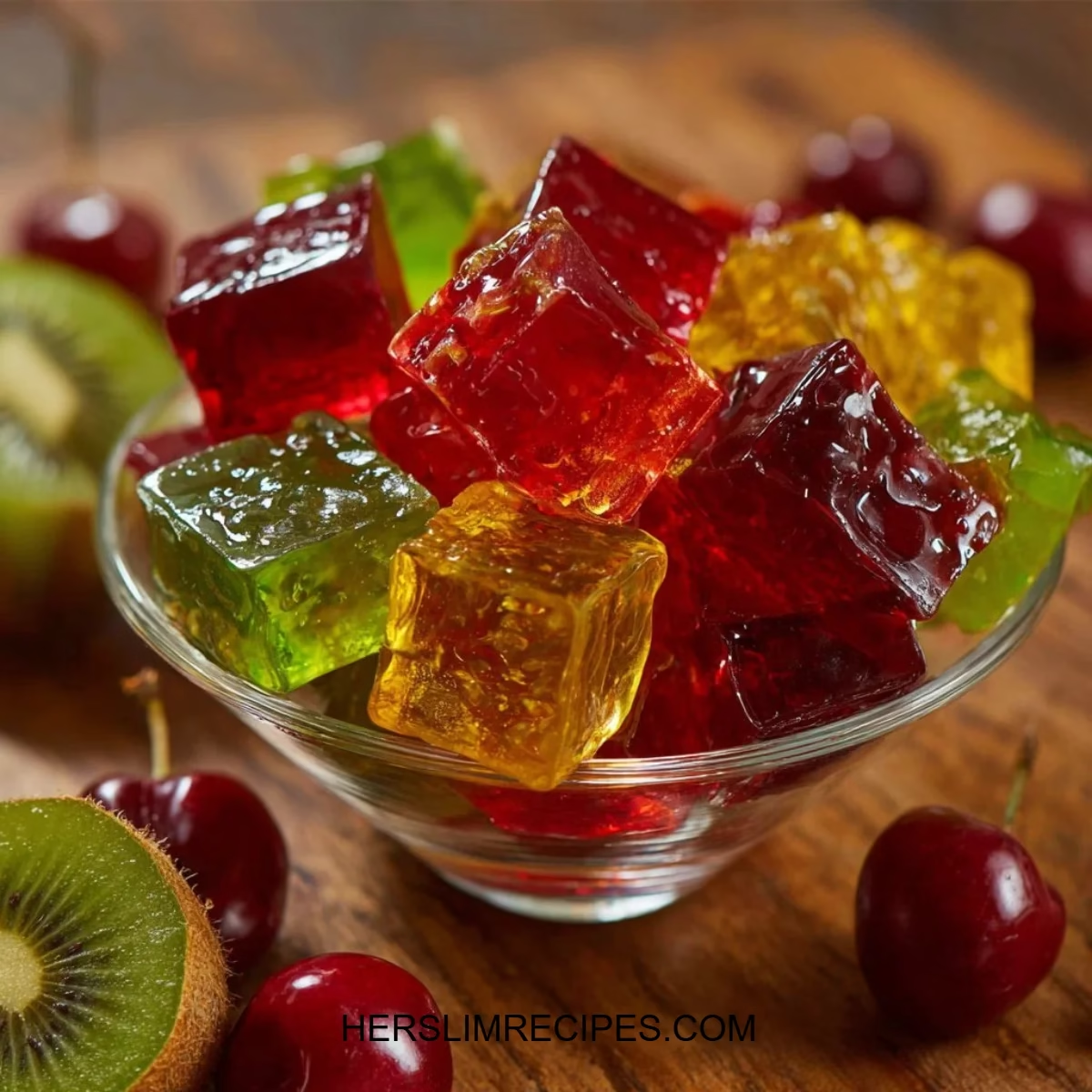
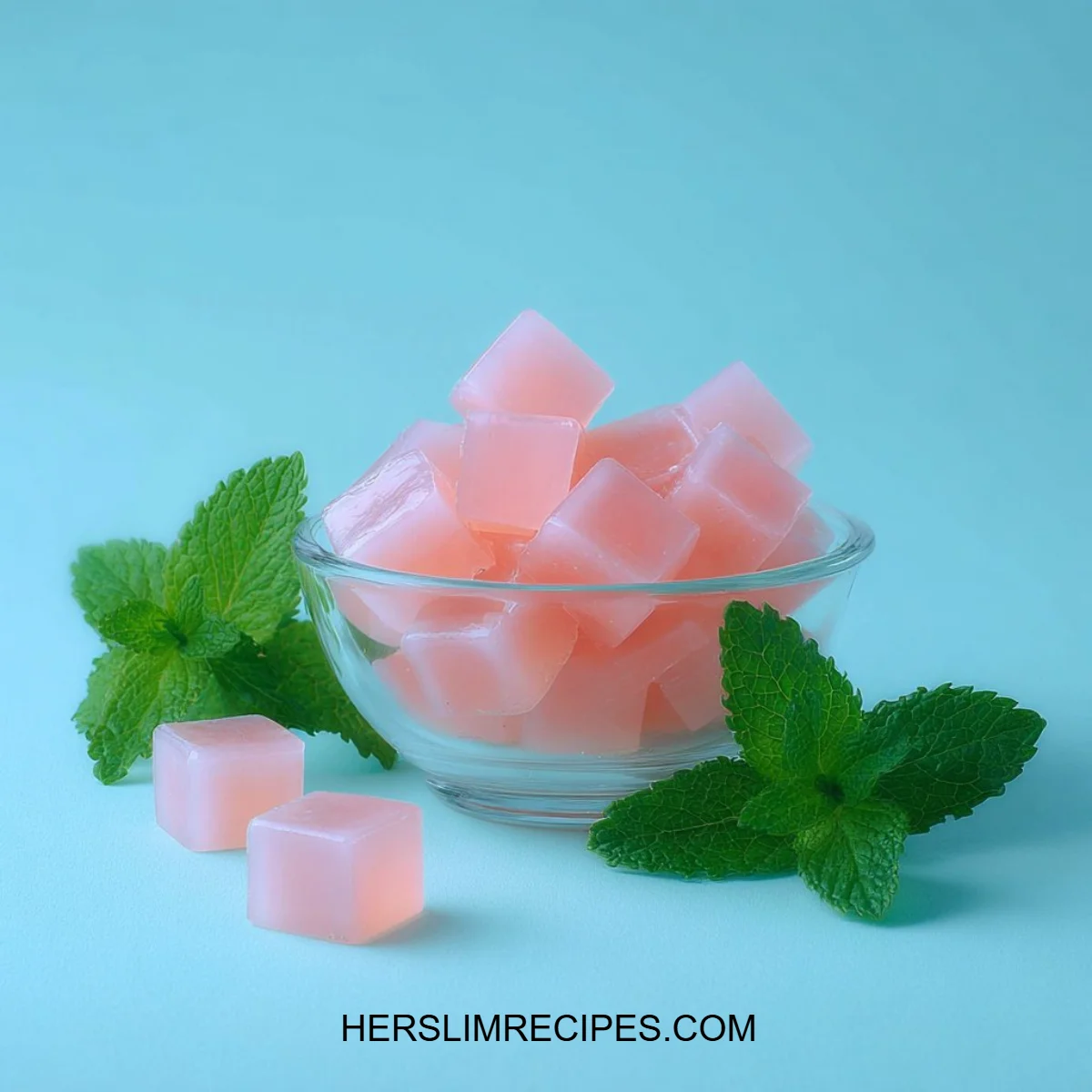
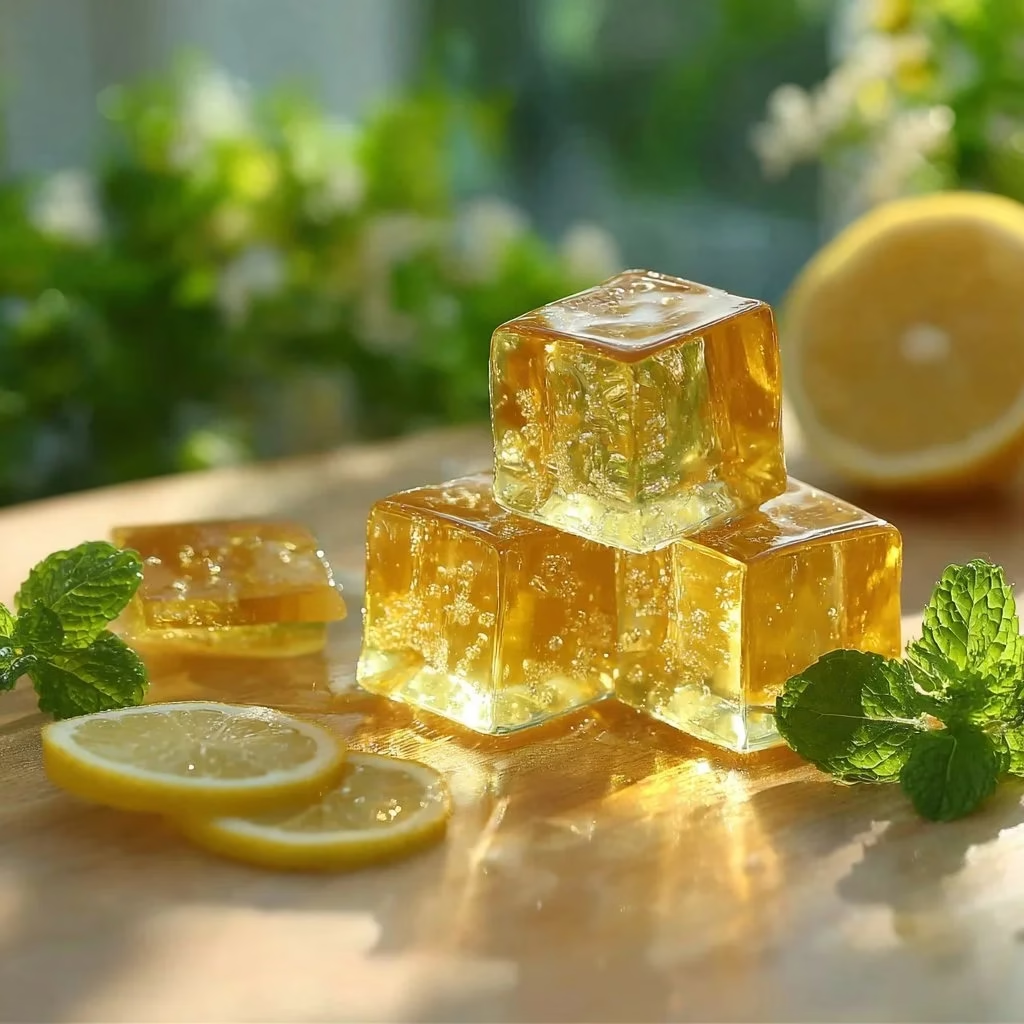
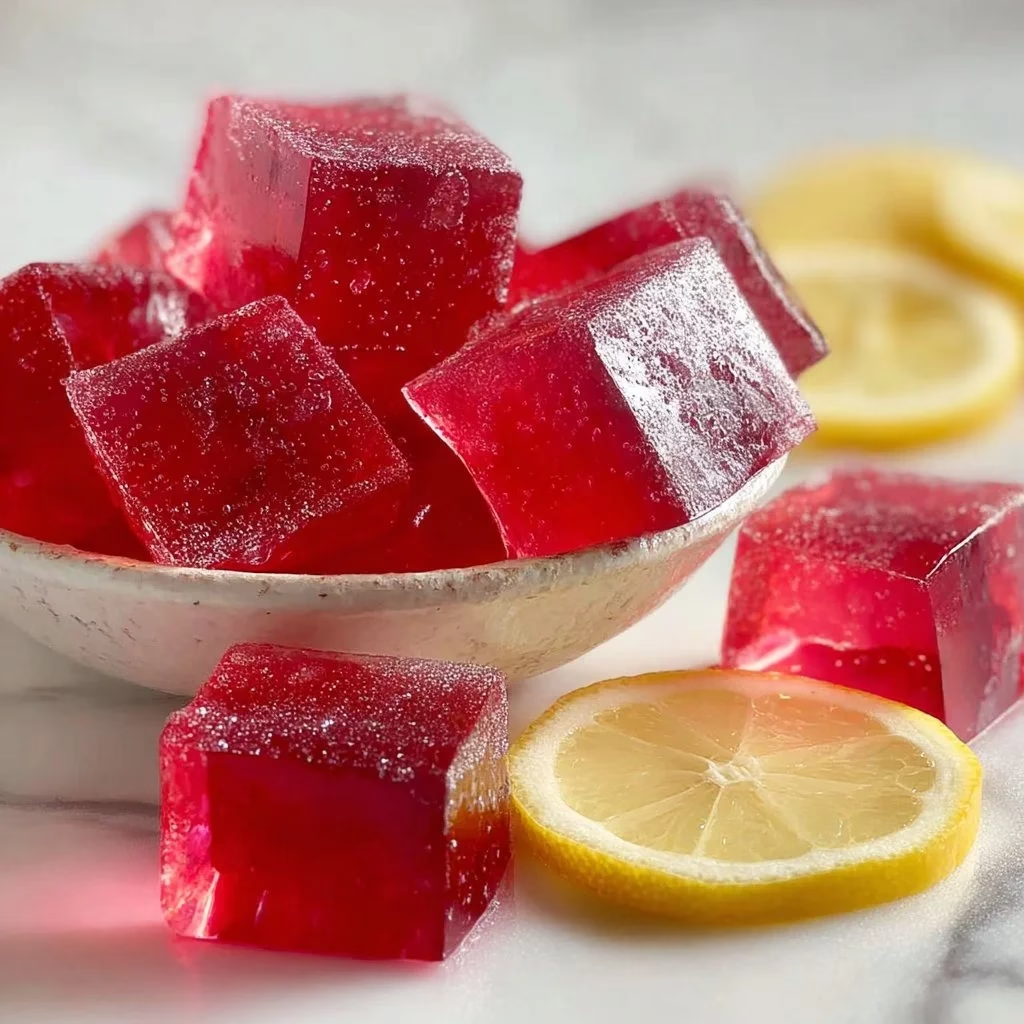
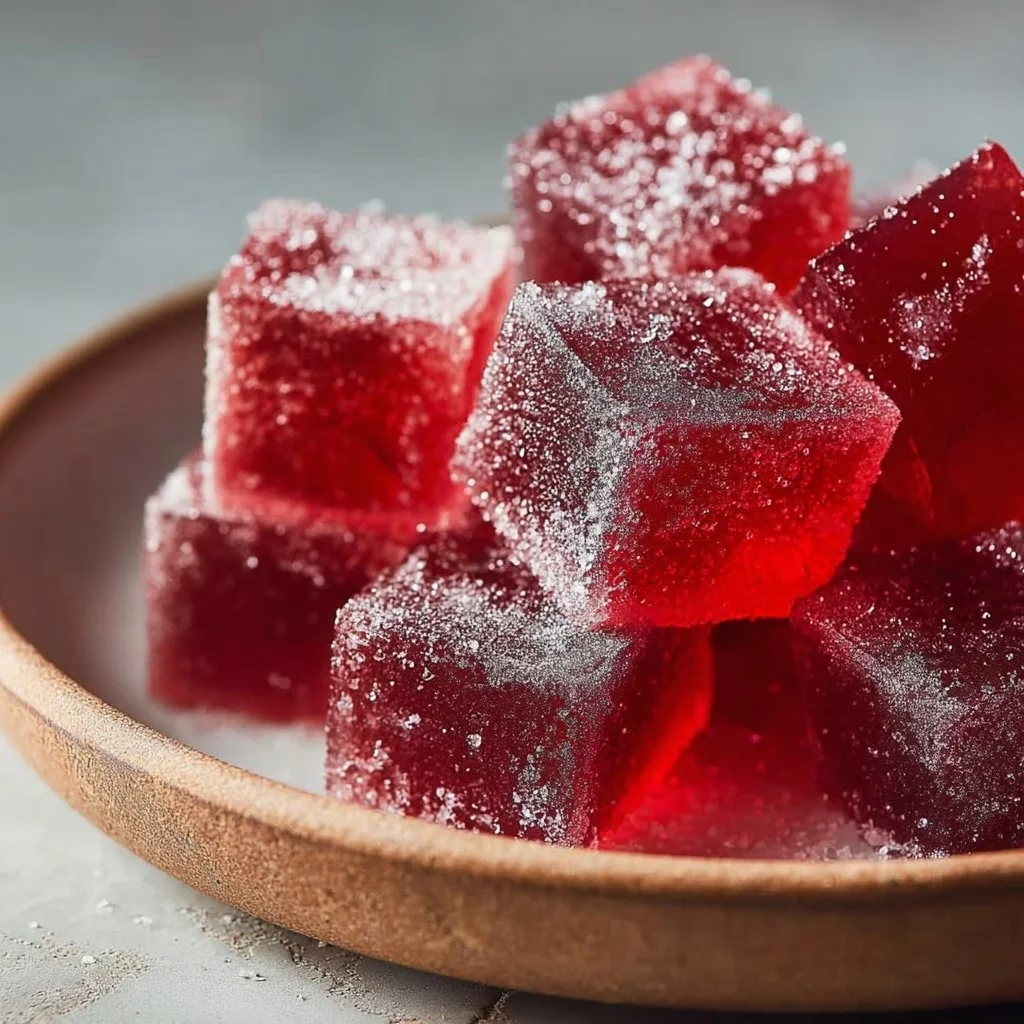
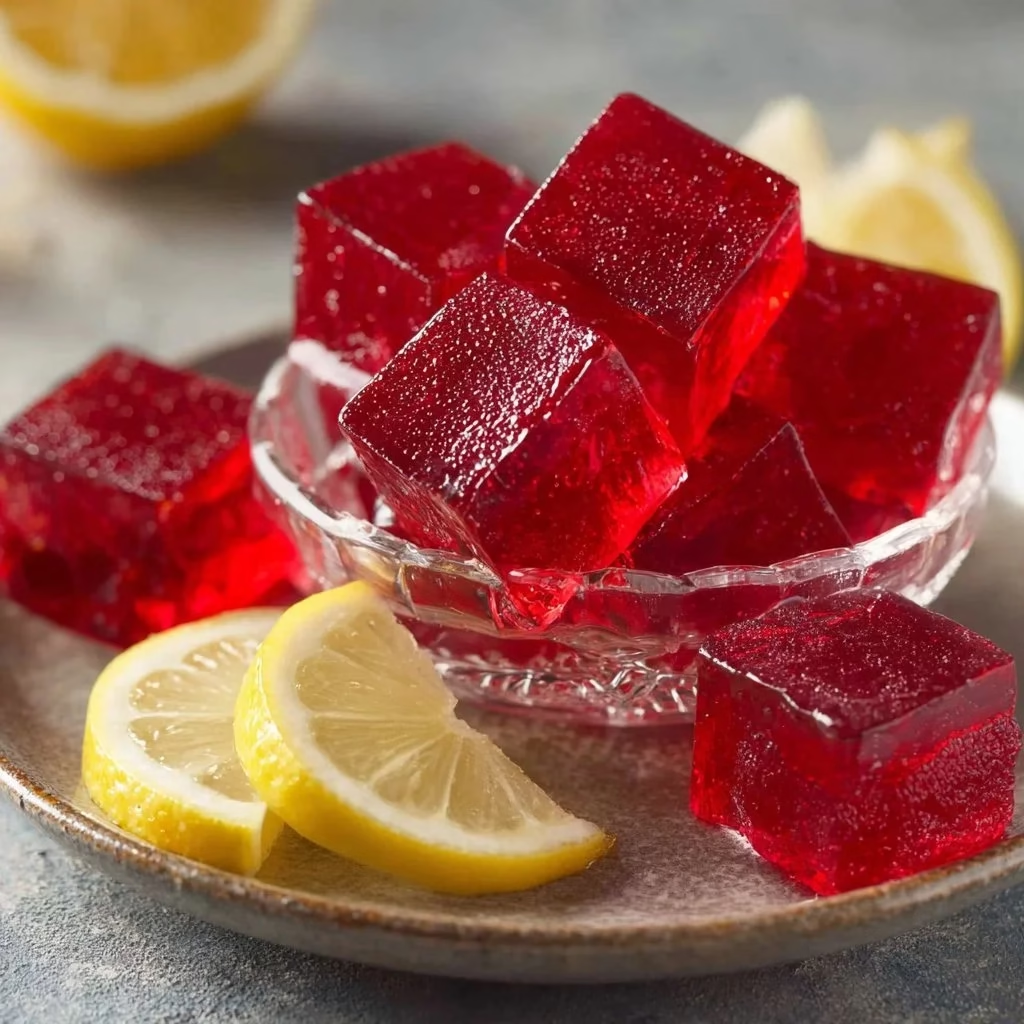
Lemon Gelatin is a simple, refreshing gelatin dessert people often use as a low-calorie snack to support weight loss goals. It combines bright lemon flavor with a soft, wobbling texture that melts on the tongue, a cool temperature that is especially pleasant on warm days, and a light citrus aroma. Some people favor it because it can be filling without many calories, and it can be made with minimal ingredients in under 15 minutes. If you like tart, clean flavors and a silky mouthfeel, this easy recipe is worth trying and may slot nicely into a slimming routine; learn a few tips below to get the best results and enjoy every spoonful. For a tonic-style variation, you can also compare this with a popular lemon gelatin tonic approach that some readers prefer.
What Is Lemon Gelatin?
Lemon Gelatin is a prepared gel made from gelatin powder (or sheets), lemon juice or lemon-flavored mix, sweetener, and water. It sets into a tender, jiggly dessert that’s eaten cold and served in portions; the flavor is tangy and bright, and the texture is smooth yet slightly springy. People sometimes use Lemon Gelatin for slimming because a small portion can satisfy a sweet tooth and provide a sense of fullness with very few calories compared to many desserts.
Beyond being a low-calorie treat, Lemon Gelatin can be a vehicle for added nutrients like vitamin C if real juice is used, and the protein content of gelatin provides a small satiety boost. Some slimming plans pair gelatin snacks with structured meals to manage cravings, and simple versions of this idea are outlined in recipes such as a 3-ingredient gelatin recipe for weight loss that emphasize ease and consistency. Note that gelatin is not a complete protein and that results for weight loss depend on overall diet and activity.
Why People Love This Method for Weight Loss
Many people appreciate Lemon Gelatin because it is quick to prepare, customizable, and feels like an indulgence without many calories. Its cold, tangy flavor can replace higher-calorie desserts and often helps curb cravings while fitting into busy routines. Some find the ritual of portioning and enjoying a few spoonfuls helpful for mindfulness and appetite control.
- Easy ingredients: most recipes use gelatin, lemon juice or mix, and a sweetener, so shopping and prep are simple.
- Low cost: basic pantry items keep this an inexpensive snack.
- Fits routines: make-ahead portions are fridge-ready for quick snacks after meals.
- Helps cravings: tart lemon flavor can satisfy sweet-tart cravings that might otherwise lead to higher-calorie choices.
- Hydration support: made with water, it contributes modestly to daily fluid intake when eaten chilled.
Ingredients
- Gelatin powder or sheets: the setting agent; use unflavored gelatin for better control of sweetness and flavor.
- Fresh lemon juice: provides real citrus flavor and vitamin C; substitute bottled juice if needed.
- Cold water: used to bloom the gelatin; this is essential for proper texture.
- Hot water: dissolves the gelatin completely; temperature around 140 to 160 F (60 to 71 C) works well.
- Sweetener of choice (honey, sugar, or a low-calorie sweetener): balances tartness; choose to taste or use a calorie-free option for fewer calories.
- Optional add-ins: grated lemon zest for aroma, a splash of vanilla for roundness, or fresh berries for texture and color.
How to Make It (Step-by-Step)
Overview: This Lemon Gelatin recipe is fast and forgiving, ideal for beginners. You will bloom gelatin, dissolve it in hot water, mix in lemon juice and sweetener, then chill until set. Total active time is about 10 minutes, plus chilling for 1 to 2 hours. Use shallow molds for quicker setting and an even texture.
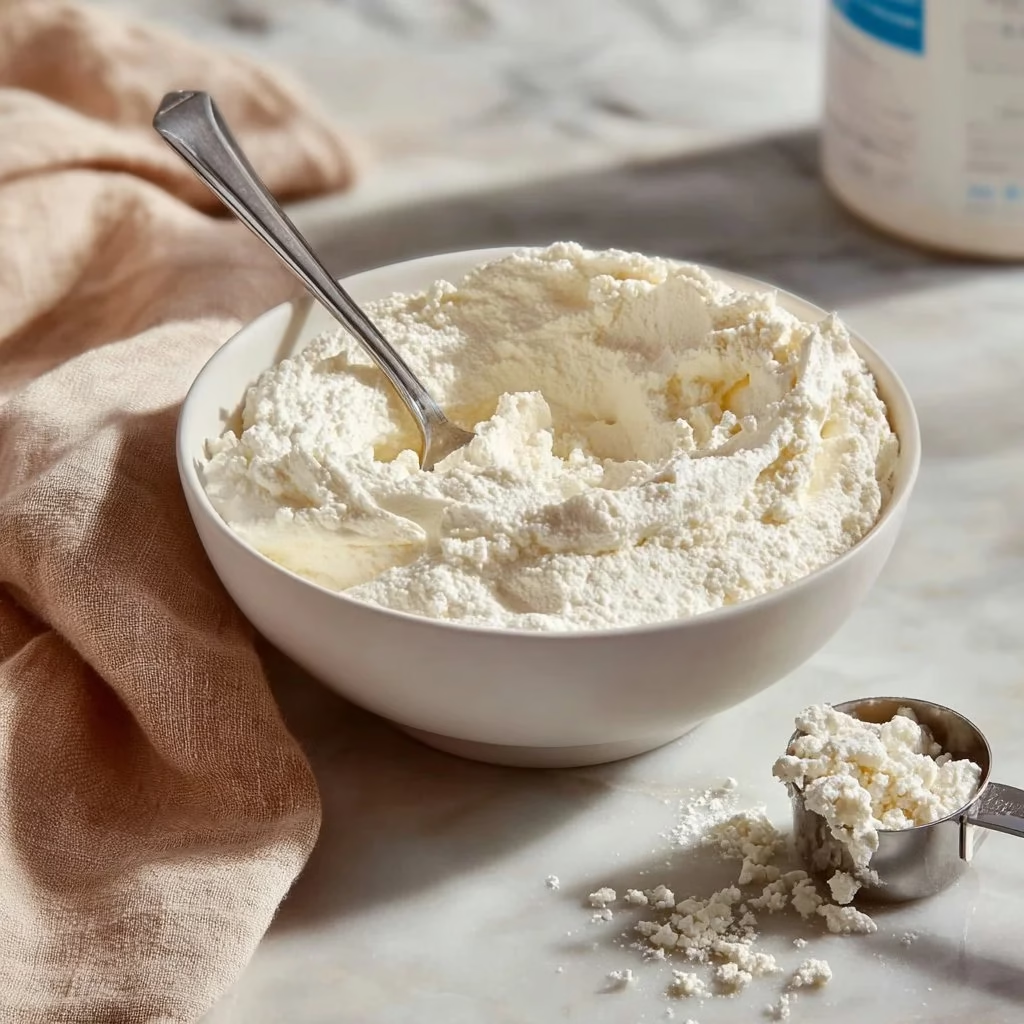
- Bloom the gelatin. Sprinkle 1 tablespoon of gelatin powder over 1/4 cup cold water in a small bowl and let it sit for 3 to 5 minutes until it becomes spongy. This step hydrates the powder so the final gel is smooth rather than grainy.
- Heat the hot water. Bring 3/4 cup of water to a gentle simmer or heat to about 140 to 160 F, then remove from heat. The water should be hot enough to dissolve gelatin but not boiling; boiling can affect texture.
- Dissolve the gelatin. Pour the hot water over the bloomed gelatin and stir for 20 to 30 seconds until completely dissolved and clear. You should see a glossy, syrup-like liquid with no grit.
- Add lemon and sweetener. Stir in 1/4 cup fresh lemon juice and 1 to 2 tablespoons of your chosen sweetener, tasting and adjusting for brightness and sweetness. If using zest, stir it in now for extra aroma.
- Combine and cool. Add 1/4 cup cold water to bring the mixture toward room temperature and reduce heat; this helps the gel set evenly. Pour the mixture into molds or a shallow dish and let it cool on the counter for 10 to 15 minutes before chilling.
- Chill until set. Refrigerate for 1 to 2 hours, or until the gelatin is firm to the touch and slightly springy. A shallow tray may set in about 45 to 60 minutes while deeper molds take longer.
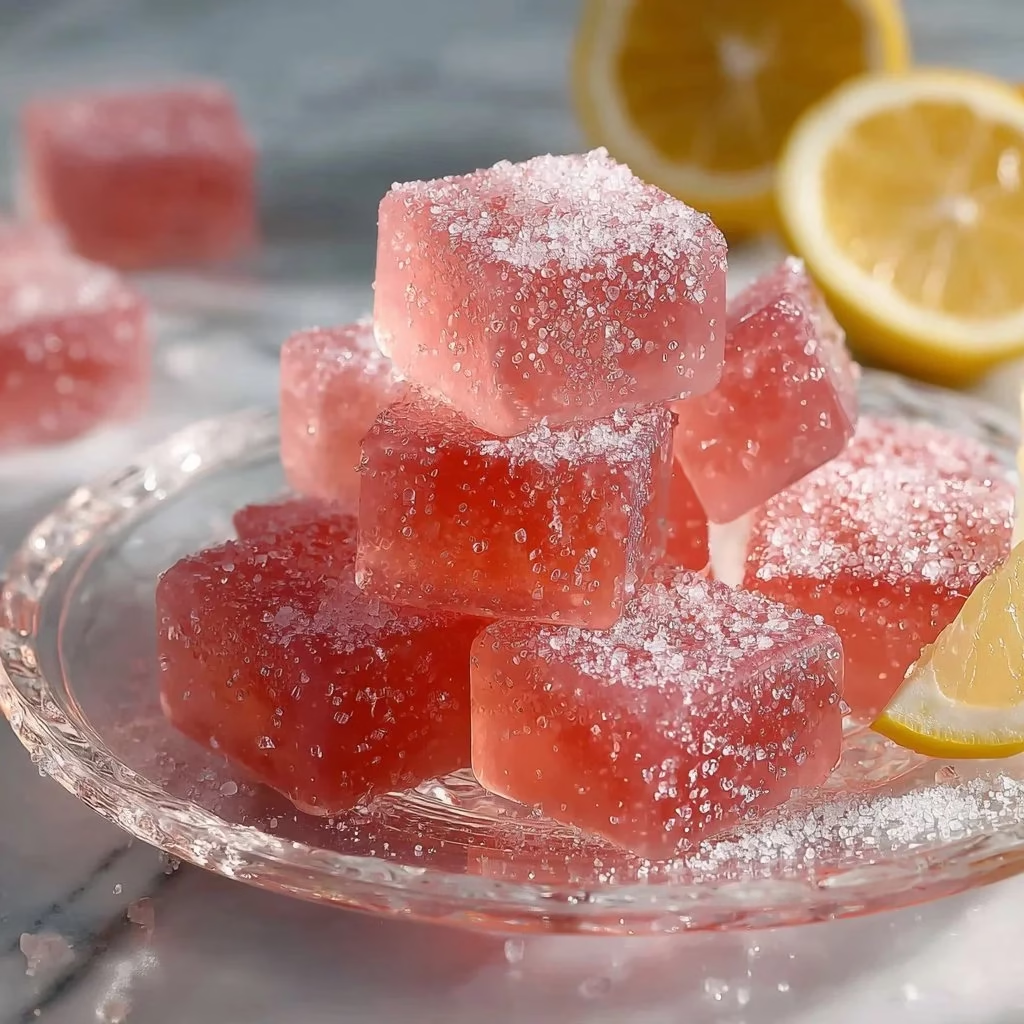
- Serve and enjoy. Turn out onto a plate or scoop into bowls; the texture should be silky and jiggly, with a clean lemon aroma and a cool finish. Beginner tip: if the gel seems too firm, dissolve a little extra hot water into a small portion and whisk it in; if too soft, dissolve a touch more gelatin and blend carefully.
How to Use It for Better Weight Loss
Using Lemon Gelatin intentionally can help control portions and replace higher-calorie desserts, but it is most effective as part of a balanced eating pattern. Eat a measured portion after a meal to satisfy dessert cravings or as a low-calorie snack between meals to avoid impulse eating. Pairing it with protein at meals and hydrating throughout the day supports overall appetite regulation.
- Timing: have a small portion after a main meal or as an afternoon snack to control sweet cravings.
- Portions: keep servings to about 1/2 to 3/4 cup to manage calories; use ramekins for consistent portions.
- Frequency: 3 to 5 times per week is reasonable as a dessert substitute; daily use depends on your overall calorie plan.
- Daily habits: combine with regular meals, adequate protein, and hydration to see better results.
- Safety: if you are diabetic, pregnant, or have dietary restrictions, consult guidance before adding sweetened gelatin into your routine, and read labels for added sugars.
- Variation tip: some people combine this idea with an apple cider vinegar gelatin approach for an added tang, but be cautious and adjust for tolerance.
Tips & Variations
Lemon Gelatin adapts well to dietary goals and flavor preferences; you can lower calories, add texture, or boost nutrients with simple swaps. Think about using fresh citrus and natural sweeteners for cleaner flavor, or make tiny adjustments in gelatin concentration for a softer set.
- Low-calorie option: use a calorie-free sweetener and increase lemon juice for flavor without calories.
- Flavor options: mix in a small amount of fresh berry purée or a few mint leaves for contrast.
- Diet-friendly swaps: use plant-based gelling agents like agar-agar if you avoid animal gelatin, but note that setting behavior and texture will differ.
- Texture play: reduce gelatin slightly for a softer, spoonable gel or increase for firmer, sliceable gel.
- Presentation: set in individual cups for easy portion control and visual appeal.
Mistakes to Avoid
Simple mistakes can change the texture or flavor of Lemon Gelatin, but they are easy to fix once you know what to watch for. Avoid graininess, weak set, or overly sweet results by following temperature and proportion tips.
- Not blooming gelatin: never skip the bloom step; unbloomed gelatin can clump and leave a gritty texture. To fix it, gently reheat and whisk until smooth.
- Boiling gelatin: avoid boiling the dissolved gelatin as it can ruin the set; if overheated, add a little extra dissolved gelatin to restore firmness.
- Adding cold lemon to hot gelatin immediately: let the dissolved gelatin cool slightly before adding large amounts of cold juice to prevent curdling or temperature shock.
- Over-sweetening: taste before chilling and remember sweetness is more pronounced when cold; if too sweet, dilute with a little cold water and re-chill.
- Using too little liquid for molds: shallow containers set faster and more evenly; if molding, adjust volume so the gel layer is not too thick.
FAQs
Q: Can I prepare Lemon Gelatin ahead of time?
A: Yes, Lemon Gelatin keeps well in the refrigerator for 3 to 4 days when covered to prevent odors from transferring. Prepare individual portions in sealed containers for grab-and-go snacks, and avoid storing near strong-smelling foods. For best texture and flavor, consume within a few days.
Q: How should I store leftovers and reheat if needed?
A: Store Lemon Gelatin refrigerated in airtight containers; it is meant to be eaten chilled and does not require reheating. If you prefer a softer texture, let it sit at room temperature for 10 minutes before serving, but do not leave it out longer than two hours. Freezing is not recommended because thawed gelatin can become watery.
Q: What can I substitute for sugar or fresh lemon juice?
A: For lower calories, use a non-nutritive sweetener like erythritol or stevia according to package conversion; check for aftertaste and adjust. If fresh lemon juice is unavailable, high-quality bottled lemon juice works, though fresh juice gives brighter aroma and more natural acidity.
Q: When is the best time to eat Lemon Gelatin for weight loss?
A: Many people find post-meal or mid-afternoon snacking helpful to curb cravings and prevent overeating later. Use it as a planned treat rather than an impulse snack, and combine it with a balanced diet and regular exercise for best outcomes. Timing alone will not produce weight loss without overall caloric control.
Q: Is Lemon Gelatin safe for everyone?
A: Gelatin is generally safe for most adults, but people with allergies, certain dietary restrictions, or specific medical conditions should consult a healthcare professional. Pregnant or breastfeeding individuals and those on restrictive diets should ask a provider before making it a daily habit.
Final Thoughts
Lemon Gelatin is a versatile, low-calorie option that can satisfy dessert cravings while supporting portion control and simple meal routines. Its bright citrus flavor, smooth texture, and easy prep make it appealing for busy people seeking a controlled sweet treat. Remember that it is one tool among many for weight loss and works best combined with balanced meals and regular activity. Try it and tell me how it worked for you!
Conclusion
For a step-by-step home method you can compare to this guide, see DIY Lemon Jello at Domestic Dreamboat for simple techniques. If you prefer naturally sweetened versions, Recipes to Nourish offers a naturally sweetened homemade lemon jello that focuses on whole ingredients. For an approachable family-friendly recipe, check Mommypotamus’s naturally sweetened lemon jello recipe. If you want a recipe that highlights real juice, Jellojoy provides a homemade lemon jello with real juice that may inspire variations. For a refined, lighter option, review Gemma’s Light and Refreshing Lemon Gelee which offers techniques for a delicate set and presentation.
The information provided in this article is for educational purposes only and should not be considered medical advice. Everyone’s body is different, and what works for one person may not work for another. It’s always best to speak with your healthcare provider before making this a daily habit, especially if you are taking medications, managing a medical condition, or are pregnant or breastfeeding. Always consult your doctor for personalized guidance.
PrintLemon Gelatin
A simple, refreshing gelatin dessert with bright lemon flavor; perfect for a low-calorie snack or dessert.
- Prep Time: 10 minutes
- Cook Time: 0 minutes
- Total Time: 120 minutes
- Yield: 4 servings 1x
- Category: Dessert
- Method: Chilling
- Cuisine: American
- Diet: Vegan
Ingredients
- 1 tablespoon gelatin powder
- 1/4 cup cold water
- 3/4 cup hot water (140 to 160 F)
- 1/4 cup fresh lemon juice
- 1 to 2 tablespoons sweetener of choice (honey, sugar, or low-calorie sweetener)
- Optional: grated lemon zest, splash of vanilla, or fresh berries
Instructions
- Bloom the gelatin: Sprinkle 1 tablespoon of gelatin over 1/4 cup cold water and let sit for 3 to 5 minutes until spongy.
- Heat the hot water: Bring 3/4 cup of water to a gentle simmer or heat to about 140 to 160 F, then remove from heat.
- Dissolve the gelatin: Pour hot water over the bloomed gelatin and stir for 20 to 30 seconds until completely dissolved.
- Add lemon juice and sweetener: Stir in 1/4 cup fresh lemon juice and 1 to 2 tablespoons sweetener, adjusting for taste.
- Combine and cool: Add 1/4 cup cold water, mix, then let cool for 10 to 15 minutes before chilling.
- Chill: Refrigerate for 1 to 2 hours until firm.
- Serve and enjoy: Scoop into bowls or turn out onto a plate to serve.
Notes
For a tonic-style variation, try adding apple cider vinegar. Store in the refrigerator for 3 to 4 days.
Nutrition
- Serving Size: 1 serving
- Calories: 90
- Sugar: 2g
- Sodium: 20mg
- Fat: 0g
- Saturated Fat: 0g
- Unsaturated Fat: 0g
- Trans Fat: 0g
- Carbohydrates: 25g
- Fiber: 0g
- Protein: 2g
- Cholesterol: 0mg
Keywords: lemon gelatin, low-calorie dessert, refreshing snacks, quick dessert, weight loss recipe