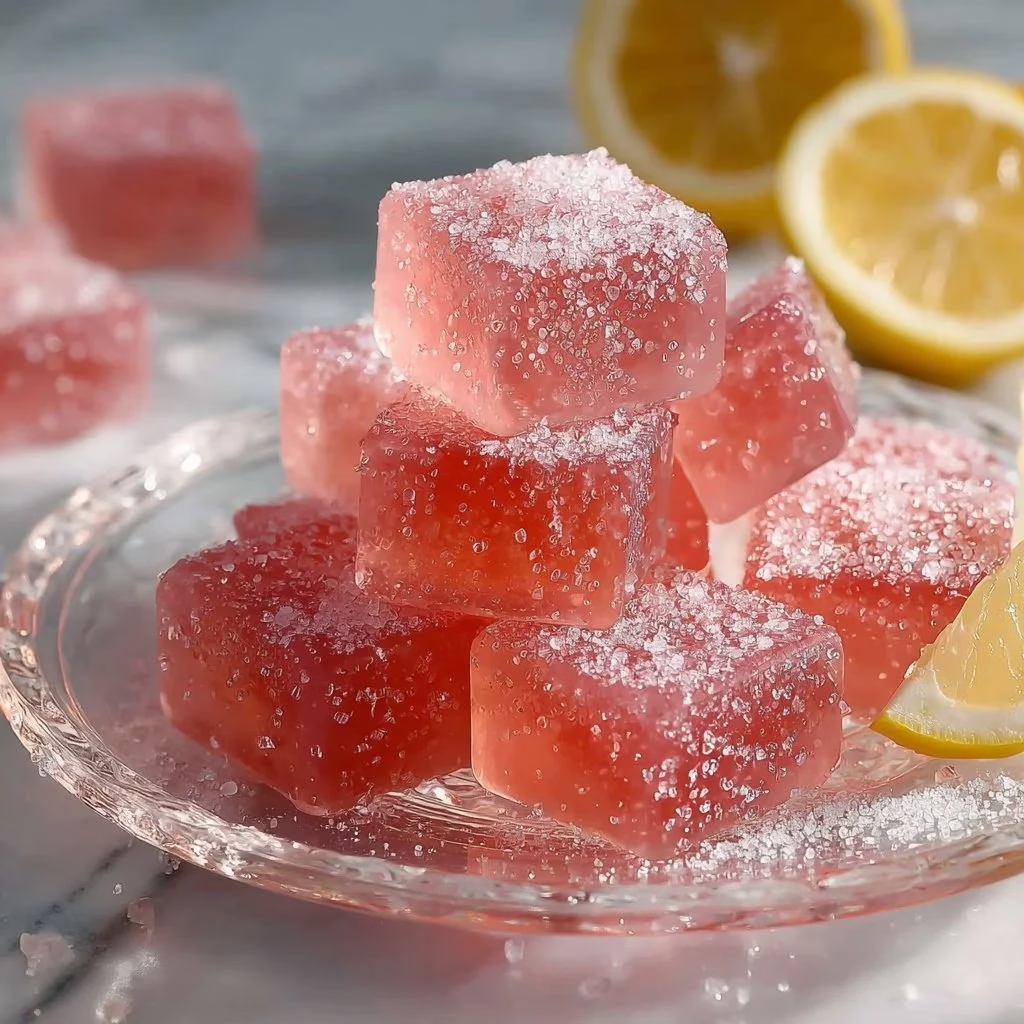
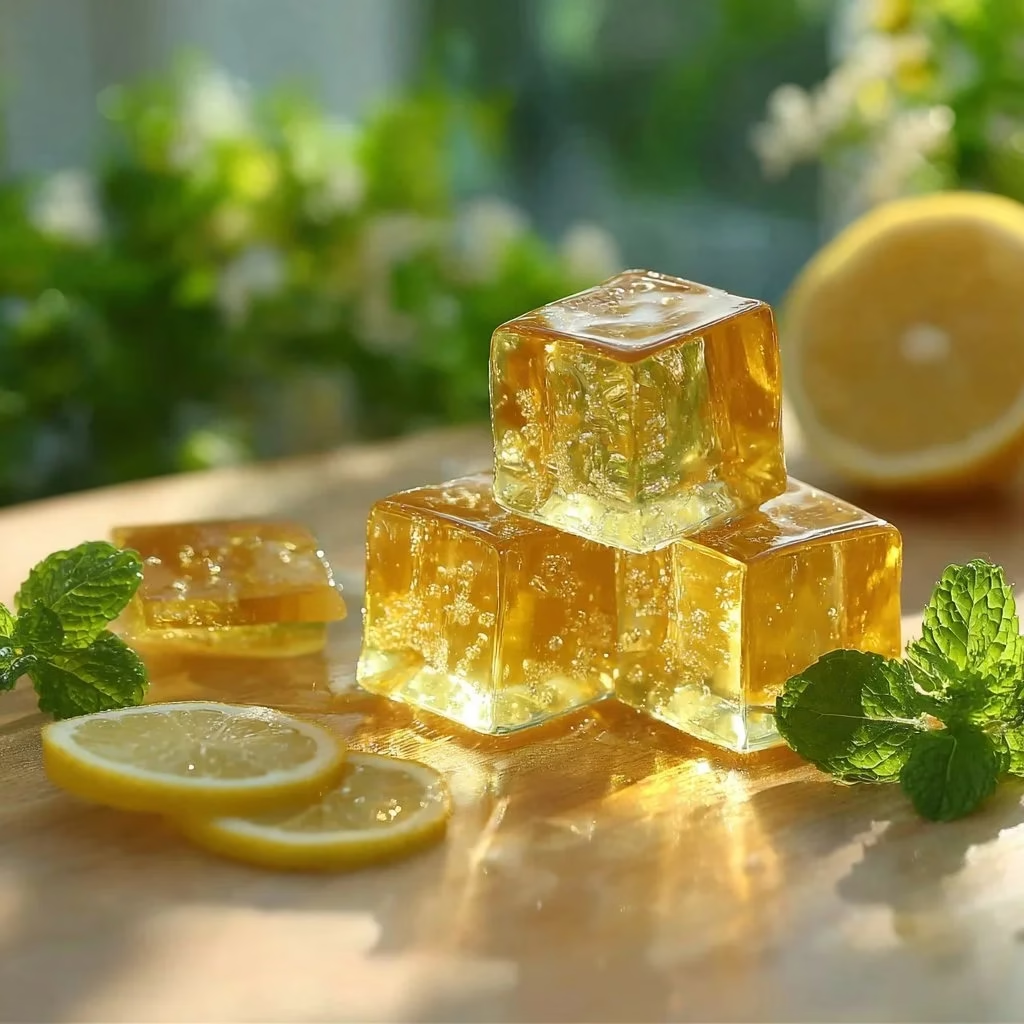
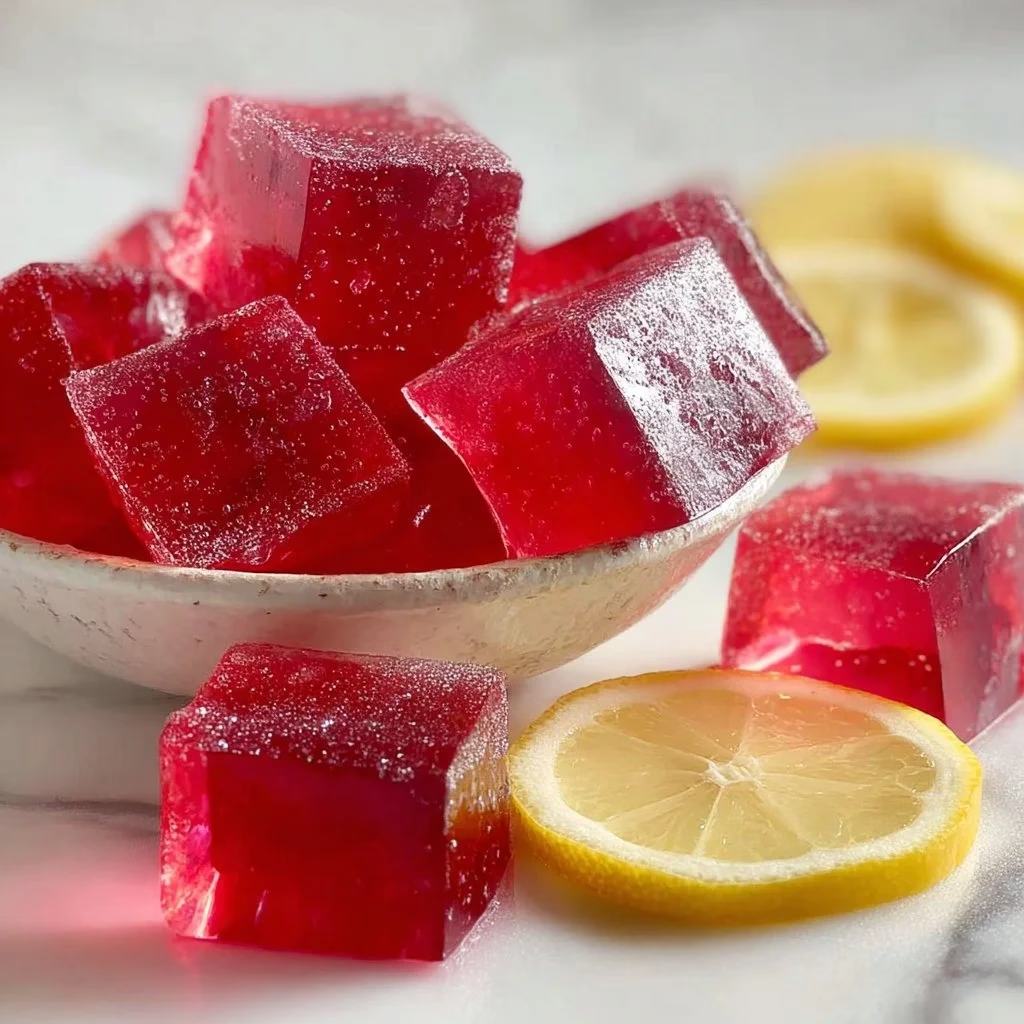
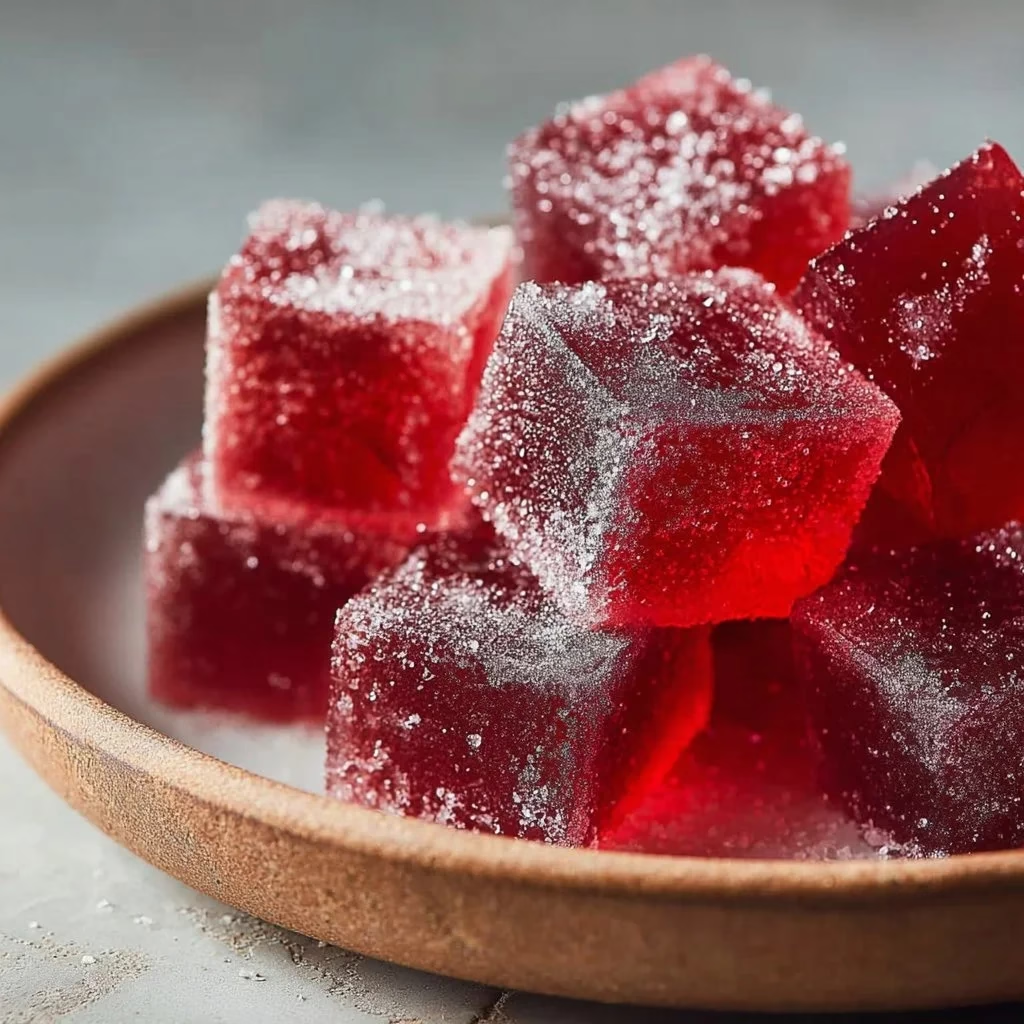
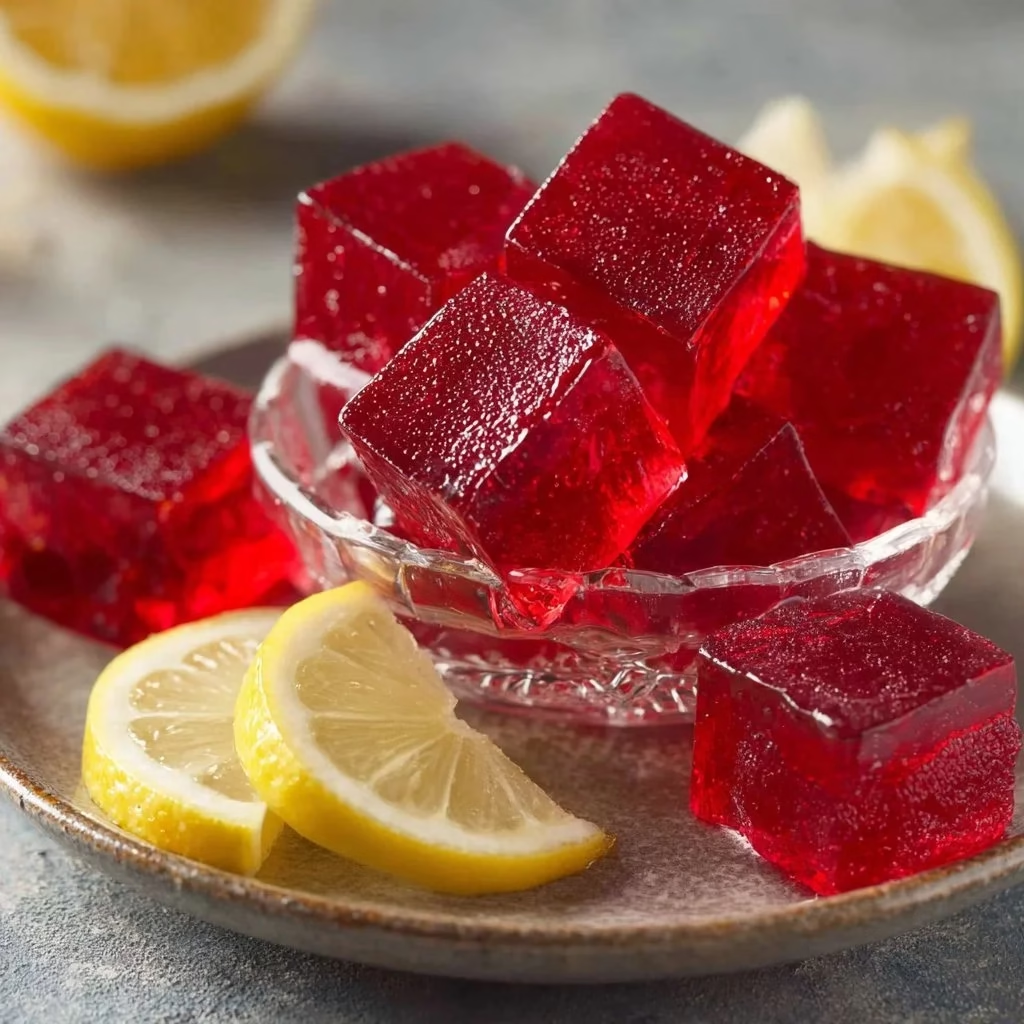
Bariatric gelatin for weight loss is a simple, jelly-like preparation people use to aid appetite control and add protein without many calories. It typically tastes mildly sweet or flavored with fruit extracts, has a smooth, slightly wobbly texture, feels cool on the tongue, and gives off a light, fruity aroma when chilled. People often choose it because it is easy to portion, gentle on the stomach, and can be eaten cold as a snack or dessert. If you enjoy a creamy, chilled snack that helps curb cravings, this is a gentle option worth trying, and you can find clear gelatin variations for different tastes and textures at clear gelatin treats for weight loss.
What Is Bariatric Gelatin for Weight Loss?
Bariatric gelatin for weight loss is a low-calorie gelatin preparation often enriched with protein or collagen and sometimes flavored to increase palatability. It is designed to be easy to digest and is used by people who want a satisfying, low-volume snack that can help create a sense of fullness between meals or serve as a small dessert after a meal. Many versions use unflavored gelatin or powdered collagen mixed with fruit juice, tea, or sugar-free flavoring to keep calories low while adding structure and a pleasant mouthfeel.
People use this gelatin to manage portions, reduce late-night snacking, or add a protein-like component to a calorie-controlled diet, and some post-bariatric surgery patients find chilled gelatin a tolerable option during the early stages of diet progression. Interesting notes include that gelatin is derived from collagen, which contains amino acids that support connective tissue, and that a serving typically delivers minimal calories but may help with satiety when combined with a mindful eating plan. For ideas on a portable, snackable form, see a popular gelatin snack delicious treat for weight loss.
Why People Love This Method for Weight Loss
Many people appreciate bariatric gelatin for weight loss because it is convenient, customizable, and usually accepted in structured diets as a low-calorie treat. It can be flavored, portioned easily, and stored chilled for quick access, making it a practical tool for reducing overall calorie intake without feeling deprived.
- Easy ingredients and simple prep make it accessible to beginners and busy people.
- Low cost compared with many commercial protein snacks helps keep budgets in check.
- Fits into daily routines because it stores well in the fridge and can be portioned in advance.
- Helps curb sweet cravings by offering a chilled, textured alternative to high-calorie desserts.
- Supports hydration when made with water or herbal tea base.
Ingredients
- Unflavored gelatin or powdered collagen: Provides structure and some amino acids; collagen is a protein-rich swap for plain gelatin.
- Cold water: Hydrates the gelatin and controls texture; use filtered water for a neutral taste.
- Hot water or warm beverage: Dissolves the gelatin powder efficiently; avoid boiling to preserve flavor.
- Sugar-free flavoring or a small amount of sweetener: Adds taste without many calories; stevia or erythritol are common swaps.
- Fruit juice or pureed fruit (optional): Adds natural flavor and slight sweetness; use low-sugar options to keep calories down.
- Fresh lemon or lime zest (optional): Brightens aroma and flavor; a tiny bit goes a long way.
- Fresh or frozen berries for garnish (optional): Adds fiber and a sensory pop without many calories.
For a simple alternative recipe that uses just three items, check 3-ingredient gelatin recipe for weight loss.
How to Make It (Step-by-Step)
Overview: Making bariatric gelatin for weight loss is quick and forgiving, taking about 15 to 30 minutes plus chilling time. You will dissolve the gelatin in warm liquid, fold in flavorings or protein, pour into molds or cups, then chill until set. This method works well with clear or slightly cloudy results depending on added ingredients, and you can adjust sweetness and texture to taste. If you want a tangy profile, use a small amount of citrus; for a creamier texture, blend in cooled yogurt or a low-fat milk alternative after the gelatin has started to thicken.
- Measure and bloom the gelatin. Sprinkle 1 to 2 tablespoons of unflavored gelatin over 1/4 cup of cold water in a small bowl and let it sit for 2 to 5 minutes until the granules swell. Blooming prevents clumps and improves final texture.
- Warm your liquid. Heat 3/4 to 1 cup of water, tea, or diluted juice to just below boiling, about 175 to 200 degrees Fahrenheit, then remove from heat. The warm liquid should steam slightly but not be aggressively boiling.
- Dissolve the gelatin. Pour the warm liquid over the bloomed gelatin and stir for 30 to 60 seconds until fully dissolved and glossy. You should see a smooth, slightly viscous liquid with no gritty particles.
- Add flavor and protein. Stir in sugar-free flavoring, a teaspoon of sweetener if desired, and up to 1 scoop of collagen or protein powder. Mix until homogenous; some powders may thicken the mixture slightly.
- Pour into molds or cups. Transfer the mixture into small ramekins, silicone molds, or a shallow dish for cutting later; fill to desired portion sizes. You will notice a fragrant steam when pouring if using citrus or herbal tea.
- Chill until set. Refrigerate for at least 1.5 to 3 hours; larger portions may take longer. The gelatin should feel firm to the touch and offer a gentle wobble when ready.
- Serve and store. Unmold or serve directly from containers, garnish with a few berries if desired, and keep leftovers covered in the refrigerator for up to 4 to 5 days.
For ideas on combining apple cider vinegar with gelatin for a tangy profile, see apple cider vinegar gelatin for weight loss.
How to Use It for Better Weight Loss
Using bariatric gelatin for weight loss effectively means pairing it with overall calorie awareness and consistent meal patterns to avoid compensating with extra calories later. Treat it as a small, controlled snack or a light dessert after meals to help satisfy sweet cravings without reaching for higher-calorie options. Because gelatin is low in volume but filling for some people, it can support appetite control when eaten slowly and mindfully. Keep in mind that gelatin alone is not a complete protein source in the same way as whole foods, so include balanced meals across the day.
- Timing: Enjoy one small portion as a mid-afternoon snack or after dinner to reduce the urge for larger desserts.
- Portions: Keep servings to about 1/2 cup to 3/4 cup to manage calories while still feeling satisfied.
- Frequency: One portion a day is a reasonable starting point; monitor hunger and fullness cues and adjust.
- Daily habits: Pair with water, lean protein, and vegetables during meals to support overall satiety.
- Safety: If you have known allergies, medical conditions, or are following a post-bariatric protocol, consult a provider before adding it to your routine.
For a perspective on the viral gelatin approach and practical tips, a community-tested resource outlines common experiences at gelatin trick for weight loss.
Tips & Variations
You can easily adapt bariatric gelatin for weight loss to suit different diets and flavor preferences while keeping calories low and texture pleasant. Try using clear or creamy bases, experiment with natural extracts, and swap in protein powders or collagen to boost the nutritional profile. Small changes in liquid temperature or sweetener type will alter mouthfeel and taste, so adjust gradually and take notes.
- Low-calorie option: Use unsweetened tea or diluted fruit juice with a nonnutritive sweetener.
- Flavor options: Try citrus zest, vanilla extract, or sugar-free berry syrups to vary aroma and taste.
- Diet-friendly swaps: Replace sugar with stevia, use collagen instead of gelatin for higher protein, or add mashed avocado for a creamy version.
- Texture adjustments: Reduce water slightly for a firmer set or increase for a softer, spoonable result.
Mistakes to Avoid
Common mistakes with this preparation are easy to correct with a few simple adjustments, and avoiding them will improve texture and effectiveness as a weight-loss-friendly snack. Overheating, skipping the bloom step, or using overly sweet mixers can change structure and add unwanted calories. Be mindful of portion creep and of assuming gelatin replaces a balanced meal.
- Not blooming the gelatin: Always sprinkle gelatin on cold water first and allow it to swell for a few minutes to avoid grainy results.
- Boiling the mixture: Do not boil the liquid; high heat can damage the gelatin’s setting ability and alter flavor.
- Adding high-sugar juices: Use diluted or low-sugar juices to prevent hidden calories; check labels.
- Oversized servings: Measure portions to avoid accidental calorie increases; use small cups or molds.
- Expecting it to be a complete meal: Complement it with protein and fiber at meals rather than relying on gelatin alone.

FAQs
Q: Can I prepare bariatric gelatin ahead of time?
A: Yes, you can prepare gelatin a day or two in advance and keep it refrigerated in airtight containers. It will retain texture for about 3 to 5 days, though very long storage can slightly change mouthfeel. Label containers with the date to manage freshness.
Q: How should I store leftovers?
A: Store gelatin in the refrigerator covered to prevent absorption of other fridge odors and to maintain a consistent texture. Avoid freezing as ice crystals will alter the set and leave a spongy texture when thawed.
Q: What can I substitute for sugar if I want to keep calories low?
A: Use stevia, erythritol, or monk fruit as low-calorie alternatives to sugar; liquid stevia requires a small amount, while powdered sweeteners may need slight adjustment. Taste the mixture after dissolving gelatin and adjust gradually.
Q: When is the best time to eat this gelatin for weight loss results?
A: A mid-afternoon snack or a small post-dinner portion can help manage cravings and reduce the desire for larger, calorie-dense desserts. Pairing gelatin with regular balanced meals and hydration supports better overall results.
Q: Is bariatric gelatin safe after weight loss surgery?
A: Many post-bariatric patients tolerate chilled gelatin well during certain diet phases, but individual recommendations vary by surgical procedure and recovery stage. Always check with your surgeon or dietitian before adding new foods to a post-surgery plan.
Final Thoughts
Bariatric gelatin for weight loss offers a simple, low-calorie way to satisfy sweet cravings and support portion control when used as part of a balanced eating plan. It is customizable, budget-friendly, and quick to prepare, with options to boost protein or add natural flavors without many extra calories. While it can be a helpful tool, it is not a standalone solution and works best alongside whole foods, regular activity, and personalized guidance. Try it and tell me how it worked for you!
Conclusion
For a deep dive into the popular recipes and experiences around gelatin-based weight loss strategies, read this Dr Oz gelatin recipe for weight loss review that examines recent trends. If you prefer a ready-made guide, consider checking the Bariatric Gelatin Recipe for Weight Control listing for options and ideas. For personal accounts and tested results, this write-up of trying the viral gelatin trick is a useful read at tried the viral gelatin trick for weight loss. For a balanced academic perspective, see the discussion titled Bariatric Gelatin for Weight Loss analysis. For alternative recipes and inspiration, review a curated approach at Bariatric Gelatin Recipe For Weight Loss – The Vegnish.
The information provided in this article is for educational purposes only and should not be considered medical advice. Everyone’s body is different, and what works for one person may not work for another. It’s always best to speak with your healthcare provider before making this a daily habit, especially if you are taking medications, managing a medical condition, or are pregnant or breastfeeding. Always consult your doctor for personalized guidance.
PrintBariatric Gelatin for Weight Loss
A simple, low-calorie gelatin preparation designed to aid appetite control while providing protein without many calories.
- Prep Time: 10 minutes
- Cook Time: 15 minutes
- Total Time: 45 minutes
- Yield: 4 servings 1x
- Category: Snack
- Method: Chilling
- Cuisine: American
- Diet: Low-Calorie, Gluten-Free
Ingredients
- 1 to 2 tablespoons unflavored gelatin or powdered collagen
- 1/4 cup cold water
- 3/4 to 1 cup hot water or warm beverage
- Sugar-free flavoring or a small amount of sweetener (e.g., stevia or erythritol)
- Fruit juice or pureed fruit (optional)
- Fresh lemon or lime zest (optional)
- Fresh or frozen berries for garnish (optional)
Instructions
- Measure and bloom the gelatin by sprinkling it over cold water and letting it sit for 2-5 minutes.
- Warm your liquid to just below boiling.
- Dissolve the gelatin in the warm liquid by stirring until fully dissolved.
- Add flavoring and protein powder, stirring until homogenous.
- Pour the mixture into molds or cups.
- Chill in the refrigerator for at least 1.5 to 3 hours until set.
- Serve and garnish with berries if desired, and keep leftovers covered in the refrigerator.
Notes
Bariatric gelatin can be enhanced with different flavors and protein sources. Adjust sweetness and texture based on preference.
Nutrition
- Serving Size: 1/2 cup
- Calories: 50
- Sugar: 1g
- Sodium: 10mg
- Fat: 0g
- Saturated Fat: 0g
- Unsaturated Fat: 0g
- Trans Fat: 0g
- Carbohydrates: 12g
- Fiber: 0g
- Protein: 2g
- Cholesterol: 0mg
Keywords: bariatric, gelatin, weight loss, low-calorie snack, appetite control