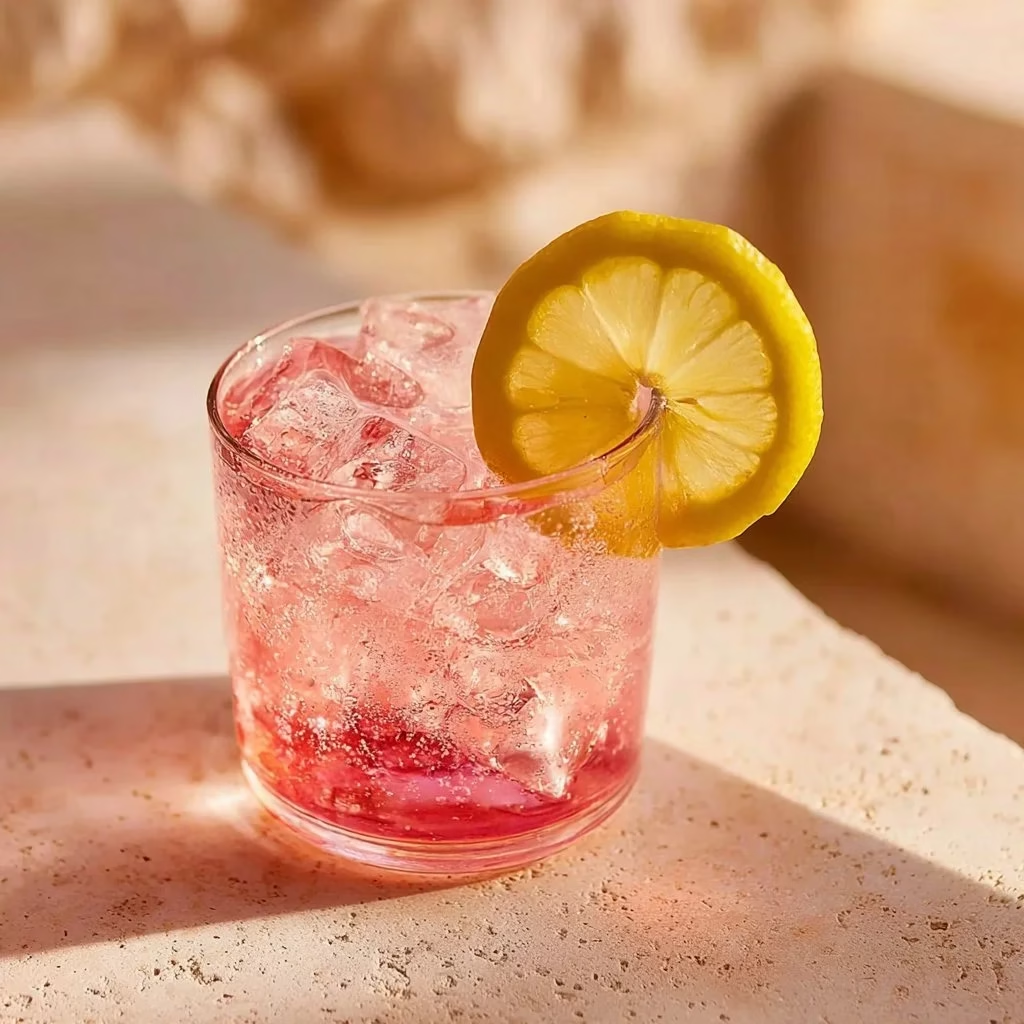
Prebiotic water is a simple, lightly flavored drink made by infusing water with soluble fibers called prebiotics, often from ingredients like inulin, chicory root, or certain fruit extracts. People use it to support gut health and sometimes to aid weight loss because prebiotics feed beneficial gut bacteria that can influence appetite and metabolism. The drink is usually cool and refreshing, with a subtly sweet or earthy aroma depending on the prebiotic used, a smooth, slightly viscous texture, and a clean, hydrating mouthfeel. It’s easy to sip between meals or with breakfast, and the gentle flavor makes it a pleasant daily habit that many find worth trying.
What Is Prebiotic Water for Weight Loss?
Prebiotic water is essentially water enriched with small amounts of soluble fiber that feed the friendly microbes in the large intestine. Instead of probiotics, which are live bacteria, prebiotics are nondigestible compounds that travel through the small intestine intact and are fermented by gut bacteria in the colon. The end products of that fermentation include short chain fatty acids, which can affect hunger hormones, gut lining health, and energy harvest from food.
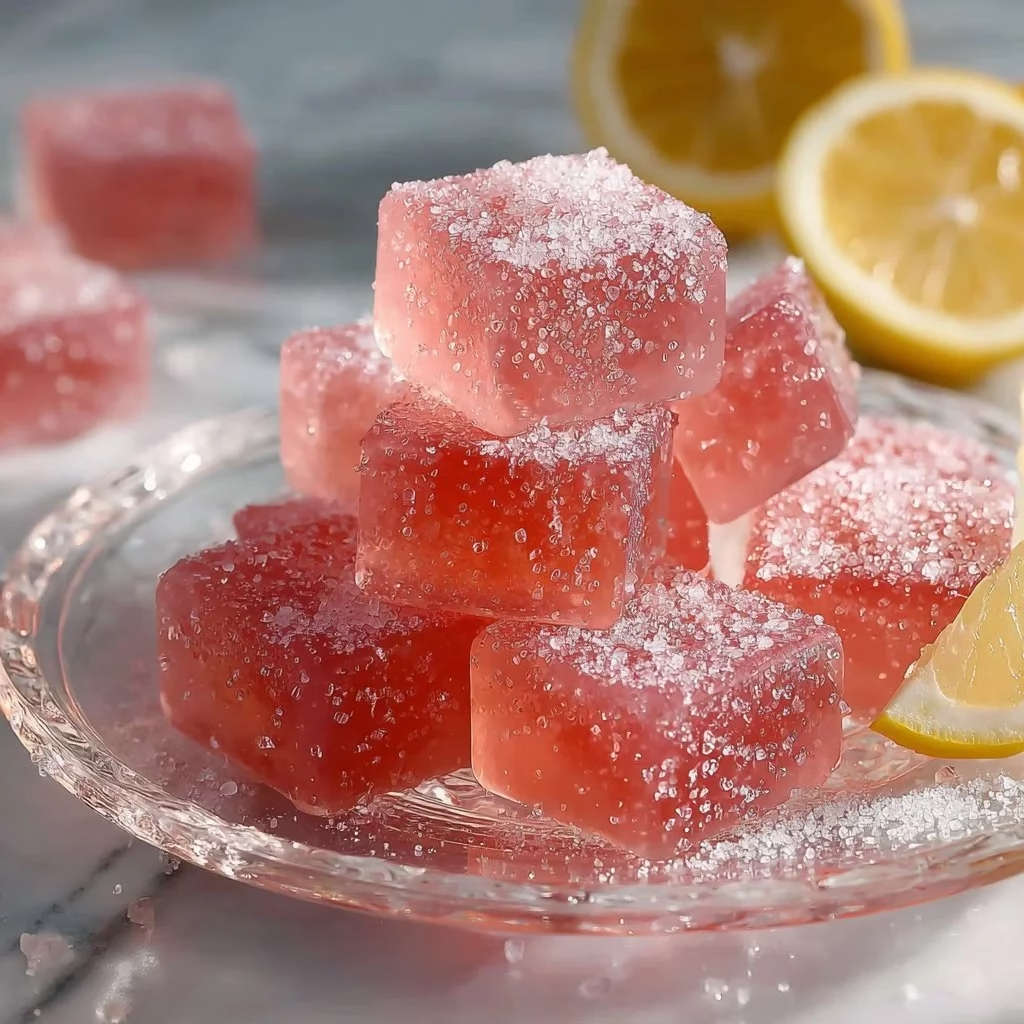
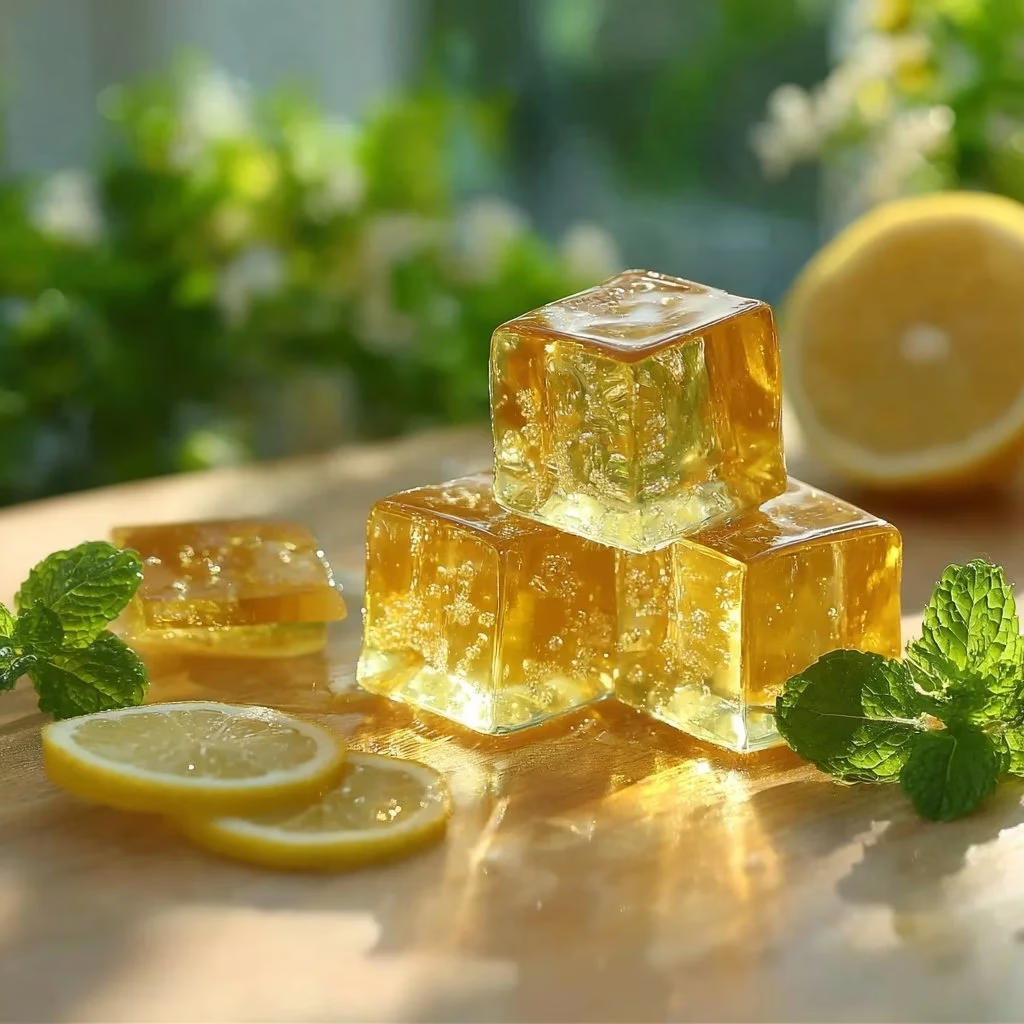
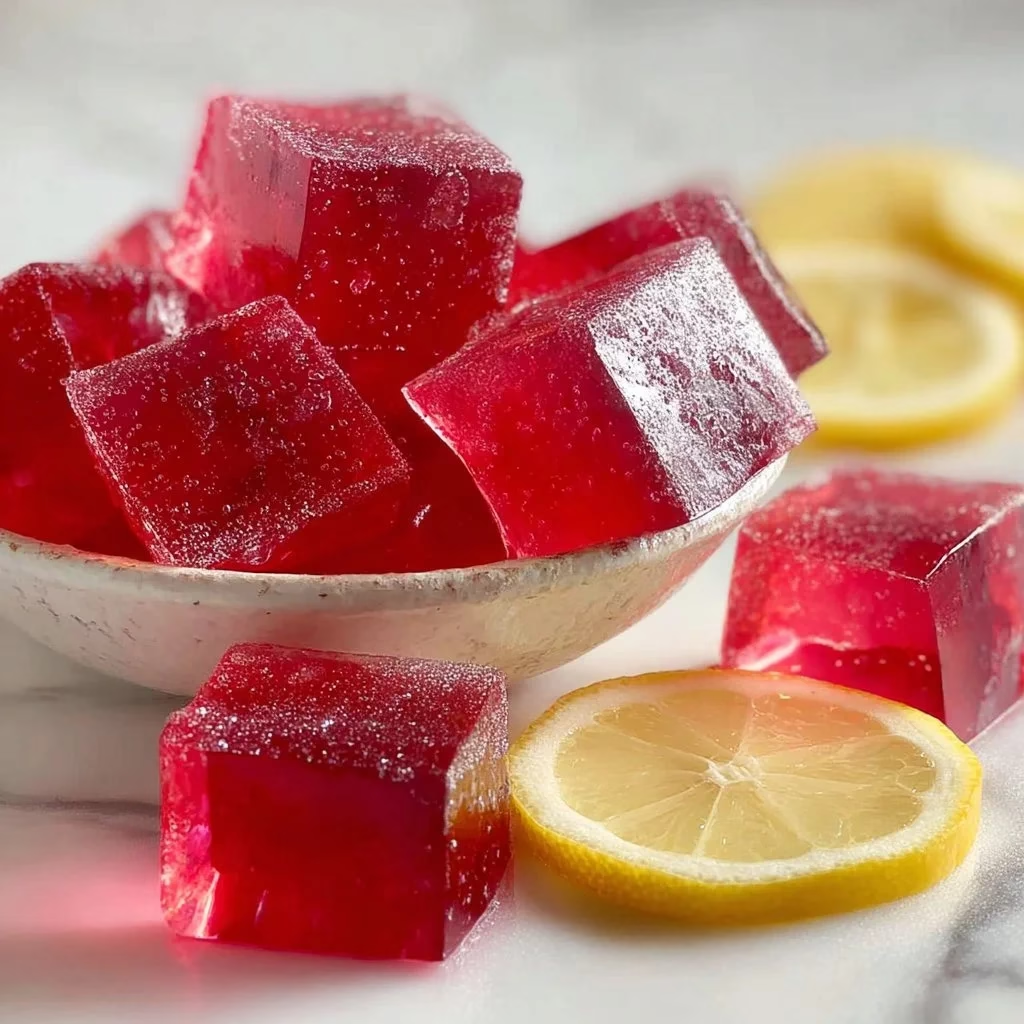
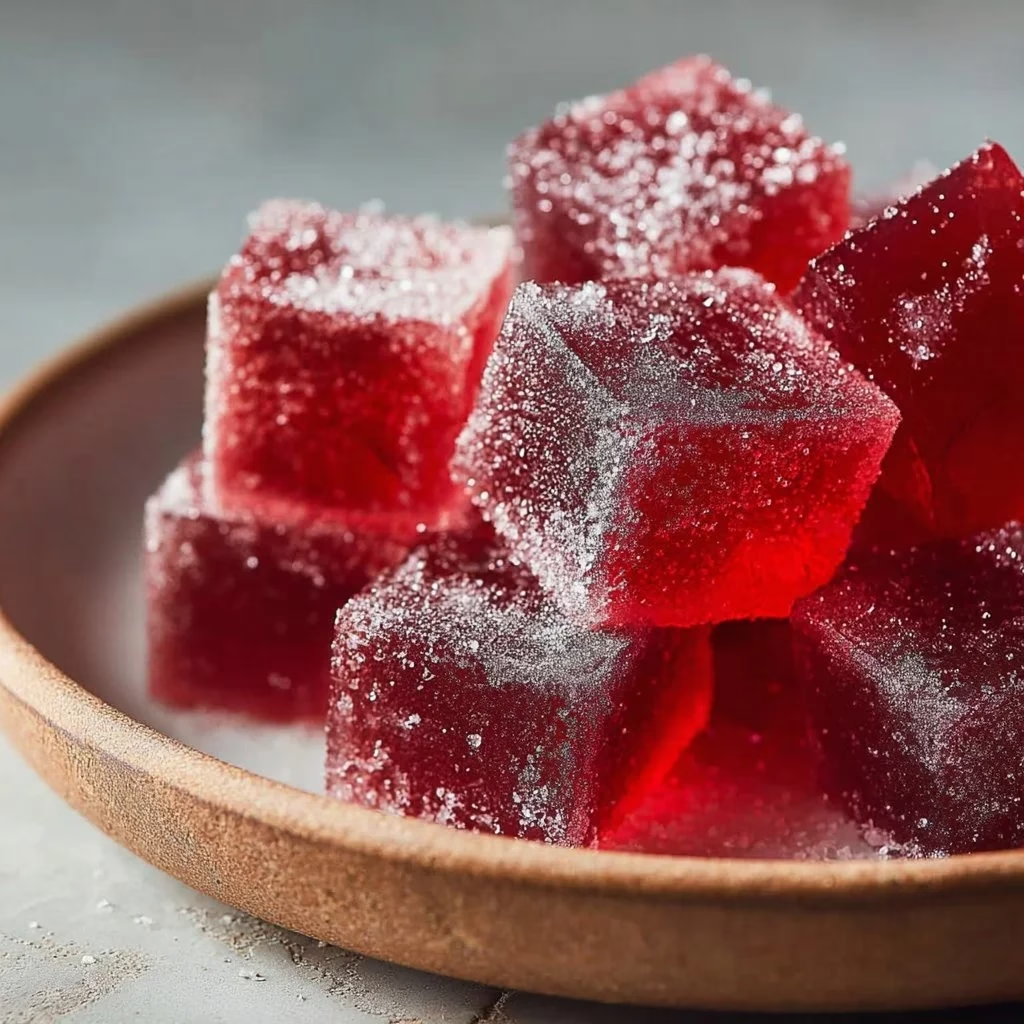
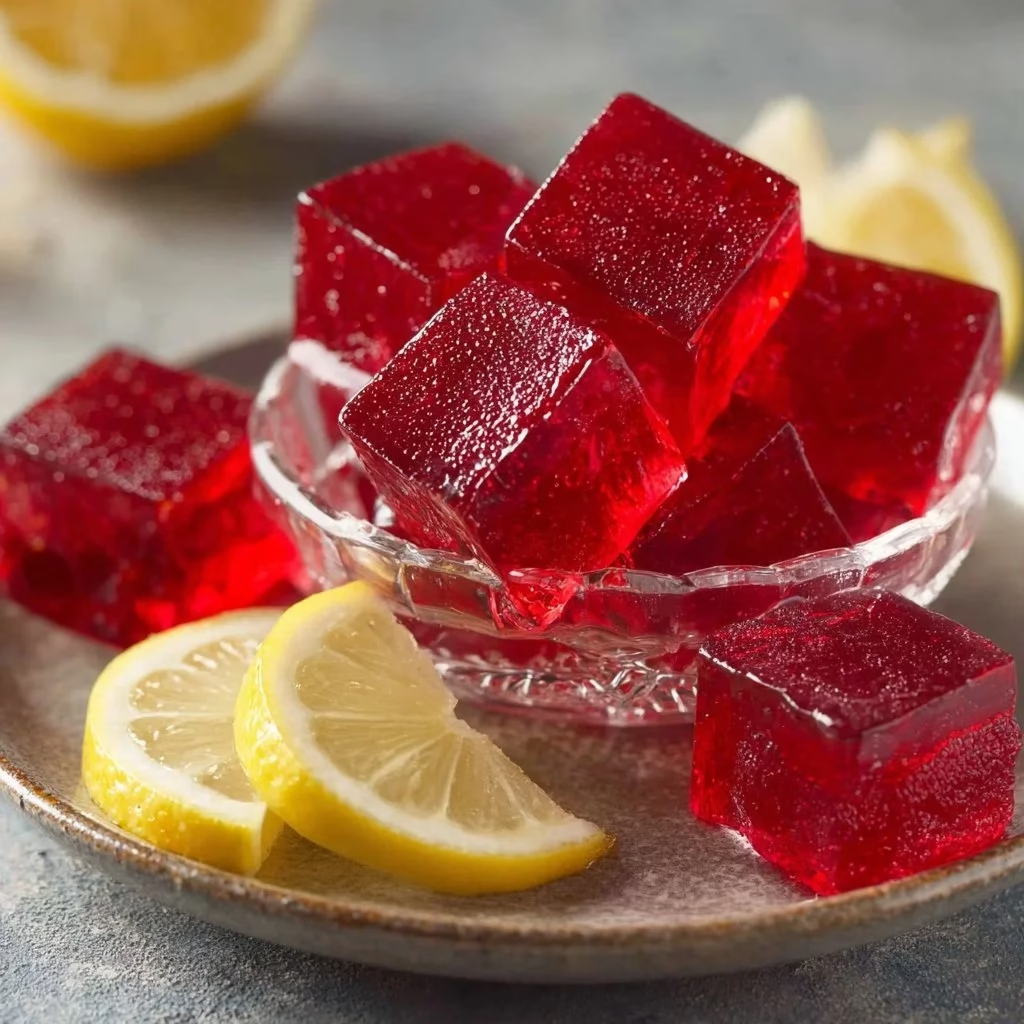
People use prebiotic water for slimming as part of a broader approach: it can help increase feelings of fullness, support regular bowel habits, and promote a more balanced microbiome. While it is not a magic bullet, combining prebiotic water with calorie control, physical activity, and whole foods may help some individuals manage weight more comfortably. Small health notes: some people experience gas or bloating when they first add prebiotics, so starting with a low dose and gradually increasing is common advice. For related low-calorie snack ideas that pair well with a hydration routine, consider experimenting with functional gelatin snacks like this gelatin trick for weight loss that many use as a filling, high-protein treat.
Why People Love This Method for Weight Loss
Many people find prebiotic water appealing because it is low effort, low cost, and integrates easily into daily routines while supporting hydration and digestive comfort. The mild taste and flexible flavors mean it can replace sugary drinks without feeling restrictive, and the prebiotic fiber can help blunt small, frequent snacking by promoting satiety. When paired with other simple habit changes, it becomes a convenient tool for those aiming to lose weight without adding complex supplements.
- Easy ingredients you can buy at most supermarkets or online.
- Low cost compared with many specialty weight loss products.
- Fits into routines as a morning or between-meal drink.
- Helps cravings by increasing gastric fullness in some people.
- Supports hydration while delivering functional fiber.
Ingredients
- Inulin or chicory root powder — a common prebiotic fiber that dissolves well; start with a small amount.
- Filtered water — neutral base to highlight the prebiotic and any added flavors.
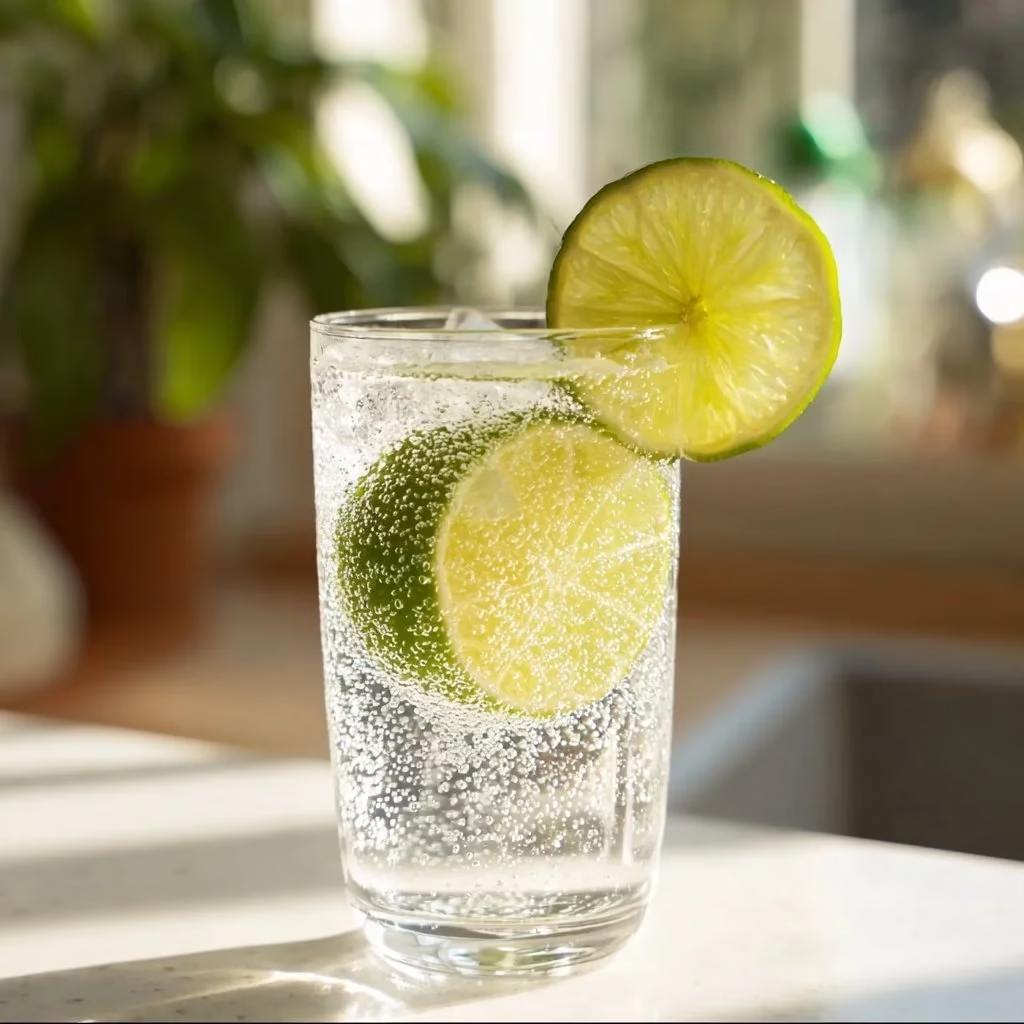
- Fresh lemon or lime slices — for bright citrus aroma and a hint of acidity as a flavor option or substitution.
- A touch of natural sweetener (optional) such as stevia or a small amount of honey — helps with palatability if you prefer a sweeter drink.
- Fresh mint or cucumber slices (optional) — add cooling aroma and a crisp taste without many calories.
How to Make It (Step-by-Step)
Overview: Making prebiotic water is quick and forgiving. You will combine the prebiotic powder with water, chill it, and optionally add fresh flavorings. The goal is a lightly viscous, refreshing drink you can sip throughout the day. Below are clear steps for beginners with timing and sensory cues.
- Measure the prebiotic. Start with 1/2 teaspoon of inulin or the manufacturer-recommended starter dose. This small amount reduces the chance of gas and gives a slightly silky texture when dissolved.
- Add water. Pour 12 to 16 ounces of cool filtered water into a glass or bottle; cooler water keeps the drink refreshing and slows any strong aroma from citrus.
- Dissolve the powder. Stir vigorously for 20 to 30 seconds until the powder is fully dissolved and the liquid feels slightly thicker on the tongue. If using a bottle, shake for 30 seconds.
- Add flavorings. Drop in a few thin lemon slices or a sprig of mint for aroma and brightness; these add negligible calories but much more appeal.
- Chill if desired. For a crisper taste, refrigerate for 30 minutes; cold temperature enhances refreshment and mutes stronger aromas.
- Taste and adjust. If you want it sweeter, dissolve a tiny amount of honey or a few drops of liquid stevia and mix well; avoid adding large amounts of caloric sweetener.
- Store properly. If you make a larger batch, keep it covered in the fridge and consume within 48 hours for optimal freshness.
How to Use It for Better Weight Loss
Use prebiotic water as part of an overall healthy plan: combine consistent hydration, controlled portions, balanced meals, and regular activity. Drinking a glass before meals can help some people reduce calorie intake by increasing satiety, and sipping throughout the day supports hydration which itself aids metabolic and cognitive function. Remember to listen to your body and adjust the amount of prebiotic if you notice digestive changes.
- Timing: Try one glass 20 to 30 minutes before a main meal to assess appetite reduction.
- Portions: Stick to 8 to 16 ounces per serving; avoid using it as your only fiber source.
- Frequency: Begin with once daily, progressing to 1 to 2 servings per day as tolerated.
- Daily habits: Pair with balanced meals rich in vegetables, lean protein, and whole grains for best results.
- Safety: If you have a sensitive gut, take a low starting dose and consult with a healthcare provider if you have chronic digestive conditions.
Tips & Variations
Prebiotic water is flexible, so you can tailor flavors, concentrations, and pairings to fit your preferences and calorie goals. Variations let you keep the drink interesting without adding many calories, and you can experiment with different prebiotic types if one causes discomfort.
- Low-calorie option: Use plain water and mint with a noncaloric sweetener to avoid added sugars.
- Flavor options: Try cucumber and basil for a garden-fresh profile or orange peel for a sweeter citrus aroma.
- Diet-friendly swaps: Replace honey with stevia for a keto-friendly version.
- Protein pairing: Drink alongside a small protein snack, such as a plain gelatin treat inspired by this 3-ingredient gelatin recipe for weight loss, to increase satiety.
- Gradual increase: If you tolerate the prebiotic well, slowly increase dose over 1 to 2 weeks to reach a maintenance level.
Mistakes to Avoid
Common mistakes are easy to fix and often involve dosing, expectations, or pairing the drink with unhealthy habits. Addressing these keeps prebiotic water a helpful addition rather than a frustration.
Start slow, and do not expect immediate dramatic weight loss; prebiotic water supports habits rather than replacing them. Avoid over-concentrating the drink, which can cause bloating, and do not rely on it to counteract excessive calories from other sources.
- Using too much prebiotic at once: Cut the dose in half and increase slowly to reduce gas.
- Drinking it in place of meals: Use it to complement meals, not to skip them; maintain nutrient balance.
- Adding high-calorie sweeteners: Keep sweeteners minimal to avoid negating calorie savings.
- Ignoring hydration: Prebiotic water helps but also ensure you drink plain water throughout the day.
- Expecting a miracle: Combine with diet and exercise for realistic results.
FAQs
Q: Can I prepare prebiotic water ahead of time?
A: Yes, you can prepare a batch and store it in a sealed container in the refrigerator for up to 48 hours. Flavors from citrus or herbs may mellow over time, so add fresh garnishes before serving when possible.
Q: How should I store leftover prebiotic water?
A: Keep it refrigerated in a closed bottle to prevent absorption of other fridge odors and to maintain a refreshing temperature. Discard after 48 hours for best quality and to minimize changes in texture.
Q: What substitutions can I use if I do not have inulin?
A: Other soluble fibers such as partially hydrolyzed guar gum or certain root extracts may be used, but their taste and viscosity differ. Start with manufacturer guidance and a small dose to check tolerance.
Q: When is the best time to drink this for weight management?
A: Many people report benefit from drinking a glass 20 to 30 minutes before meals to help reduce appetite, but you can also sip between meals to curb unnecessary snacking. Experiment to find what fits your routine and hunger signals.
Q: Is prebiotic water safe for everyone?
A: Most people tolerate moderate amounts, but those with severe digestive disorders, certain immunocompromised conditions, or who are pregnant should consult a healthcare provider. Monitor for increased bloating or discomfort and adjust as needed.
Final Thoughts
Prebiotic water for weight loss is a gentle, low-cost way to add functional fiber and hydration to your day while supporting a healthier gut environment. It can help promote fullness and replace sugary beverages, but it works best as part of a balanced eating plan and regular activity. Start with a small dose, pay attention to how your body responds, and use flavor variations to keep the habit enjoyable. Try it and tell me how it worked for you!
Conclusion
For research on combined probiotic and prebiotic strategies and weight outcomes, see this useful study on the effect of weight loss programs using prebiotics and probiotics. For perspective on popular home remedies sometimes paired with prebiotic drinks, consider the review on debunking the health benefits of apple cider vinegar. If you want deeper mechanistic insight into how prebiotic feeding can alter gut communities and weight, read this article on active phase prebiotic feeding and the microbiota. For research into prebiotics interacting with medications and weight gain, refer to the paper on prebiotic intake and olanzapine-mediated weight gain. For a clinical perspective on trendy prebiotic beverages, check the Hartford Hospital piece on are prebiotic sodas good for your health.
The information provided in this article is for educational purposes only and should not be considered medical advice. Everyone’s body is different, and what works for one person may not work for another. It’s always best to speak with your healthcare provider before making this a daily habit, especially if you are taking medications, managing a medical condition, or are pregnant or breastfeeding. Always consult your doctor for personalized guidance.
PrintPrebiotic Water for Weight Loss
A refreshing drink infused with prebiotics to support gut health and aid weight loss.
- Prep Time: 5 minutes
- Cook Time: 0 minutes
- Total Time: 5 minutes
- Yield: 1 serving 1x
- Category: Beverage
- Method: Mixing
- Cuisine: N/A
- Diet: Vegan
Ingredients
- 1/2 teaspoon inulin or chicory root powder
- 12 to 16 ounces filtered water
- Fresh lemon or lime slices (optional)
- A touch of natural sweetener (optional) such as stevia or honey
- Fresh mint or cucumber slices (optional)
Instructions
- Measure the prebiotic.
- Add water.
- Dissolve the powder.
- Add flavorings.
- Chill if desired.
- Taste and adjust.
- Store properly.
Notes
Start with a low dose to avoid gas or bloating, and gradually increase as tolerated.
Nutrition
- Serving Size: 1 serving
- Calories: 20
- Sugar: 0g
- Sodium: 5mg
- Fat: 0g
- Saturated Fat: 0g
- Unsaturated Fat: 0g
- Trans Fat: 0g
- Carbohydrates: 5g
- Fiber: 3g
- Protein: 0g
- Cholesterol: 0mg
Keywords: prebiotic water, weight loss, gut health, hydration