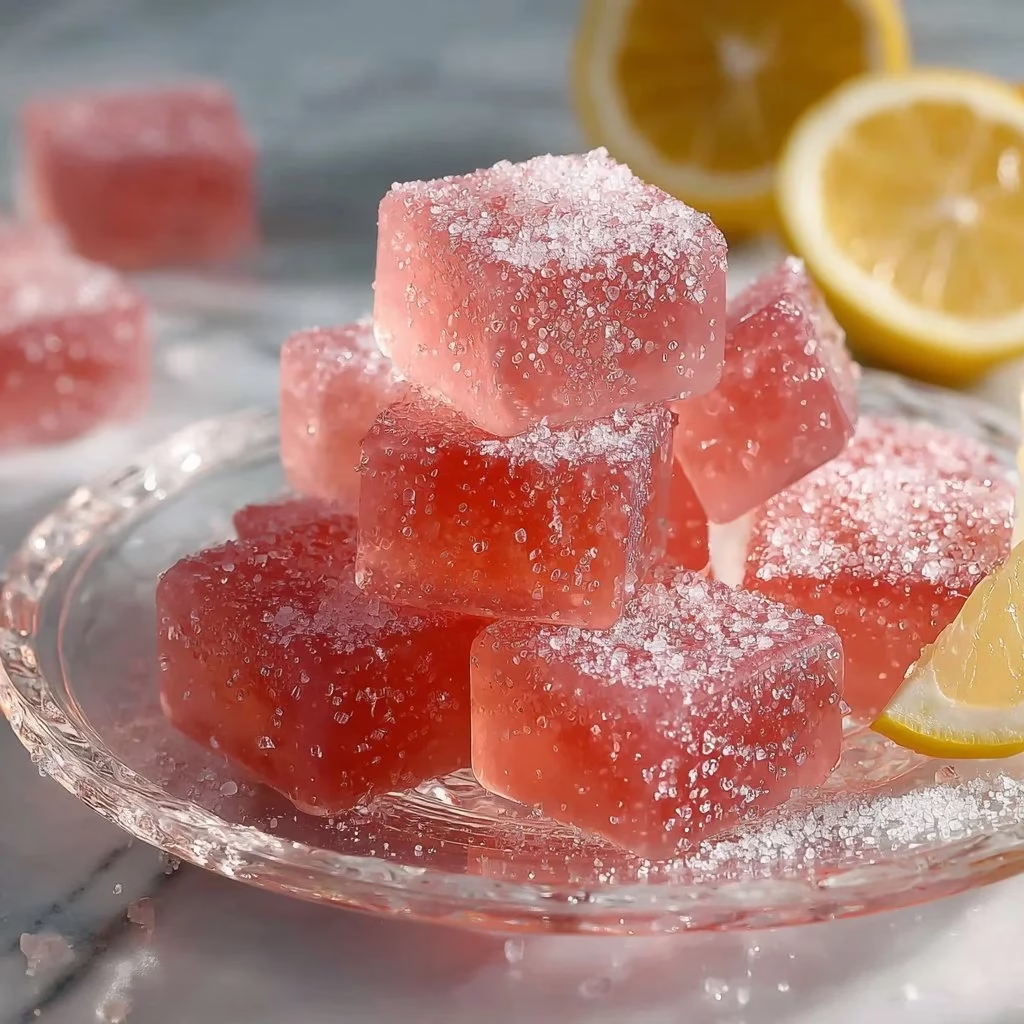
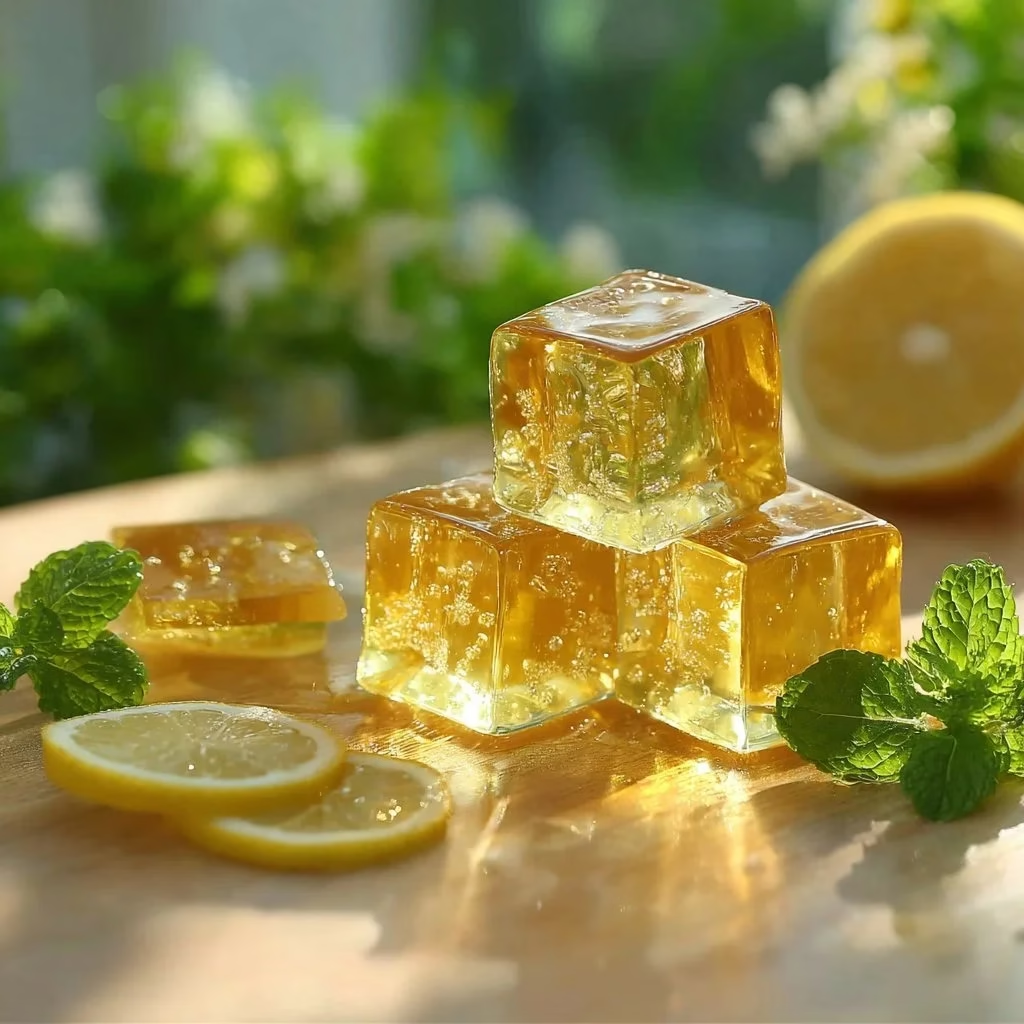
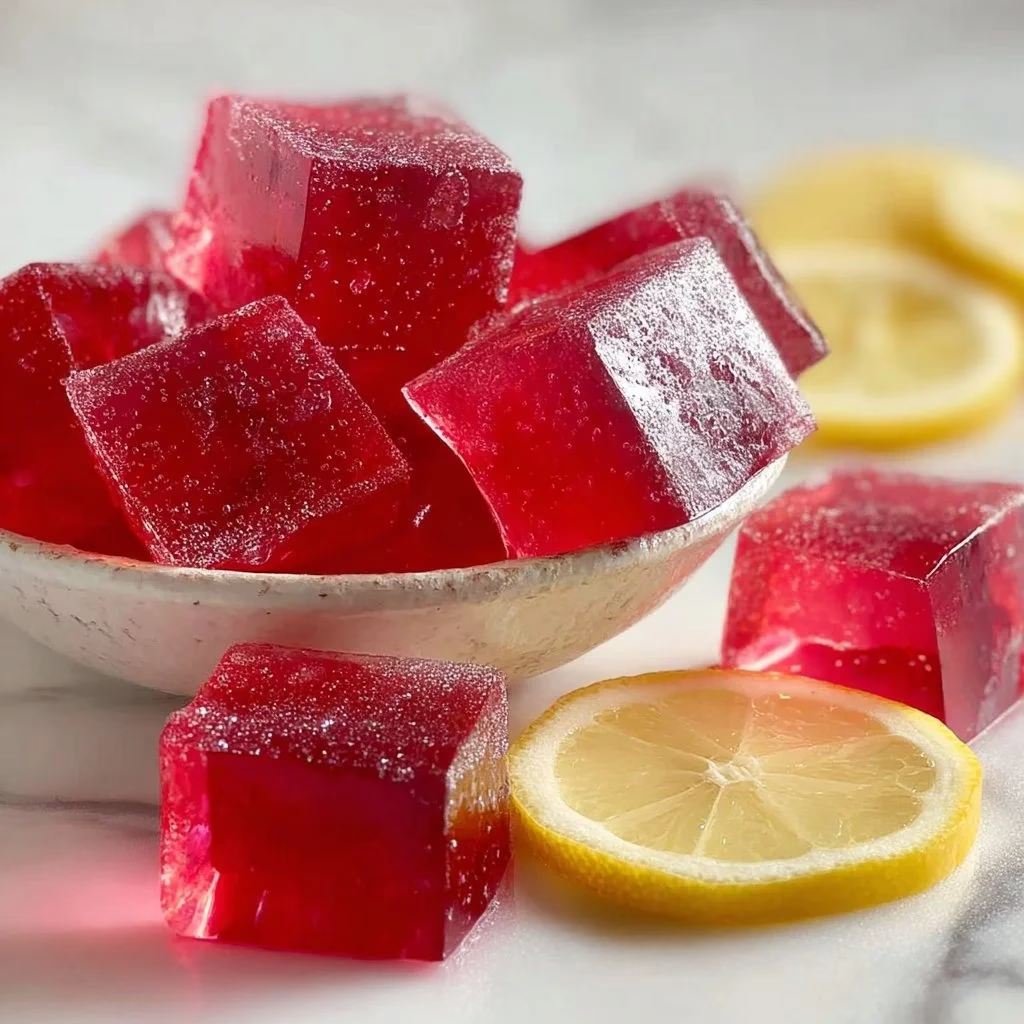
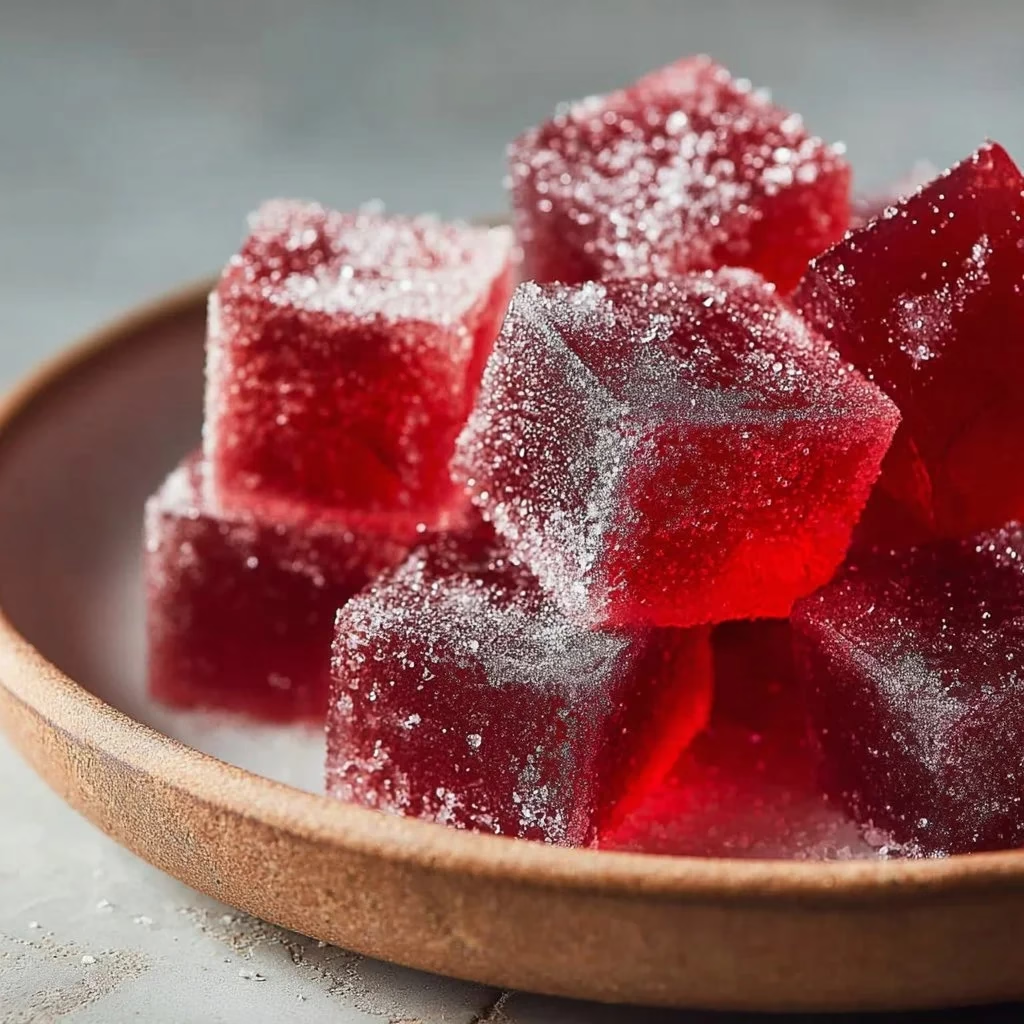
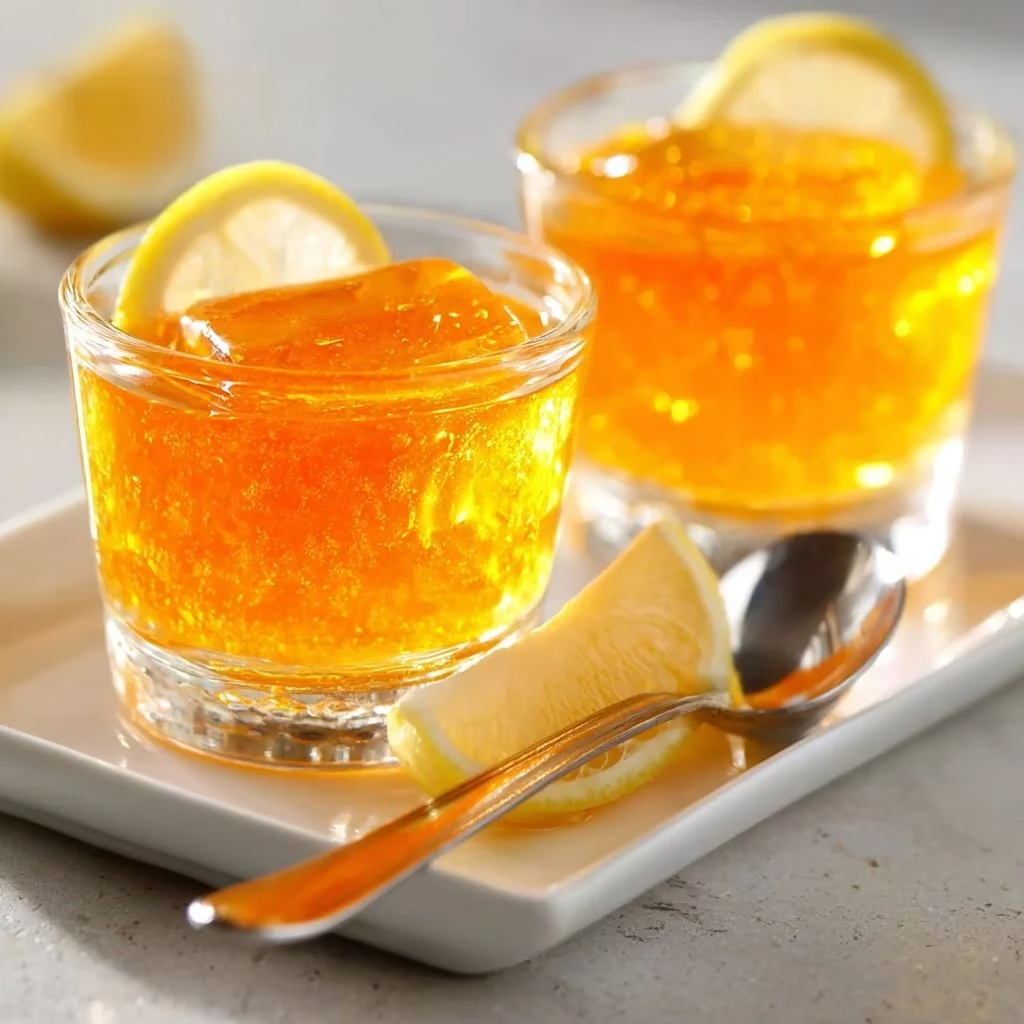
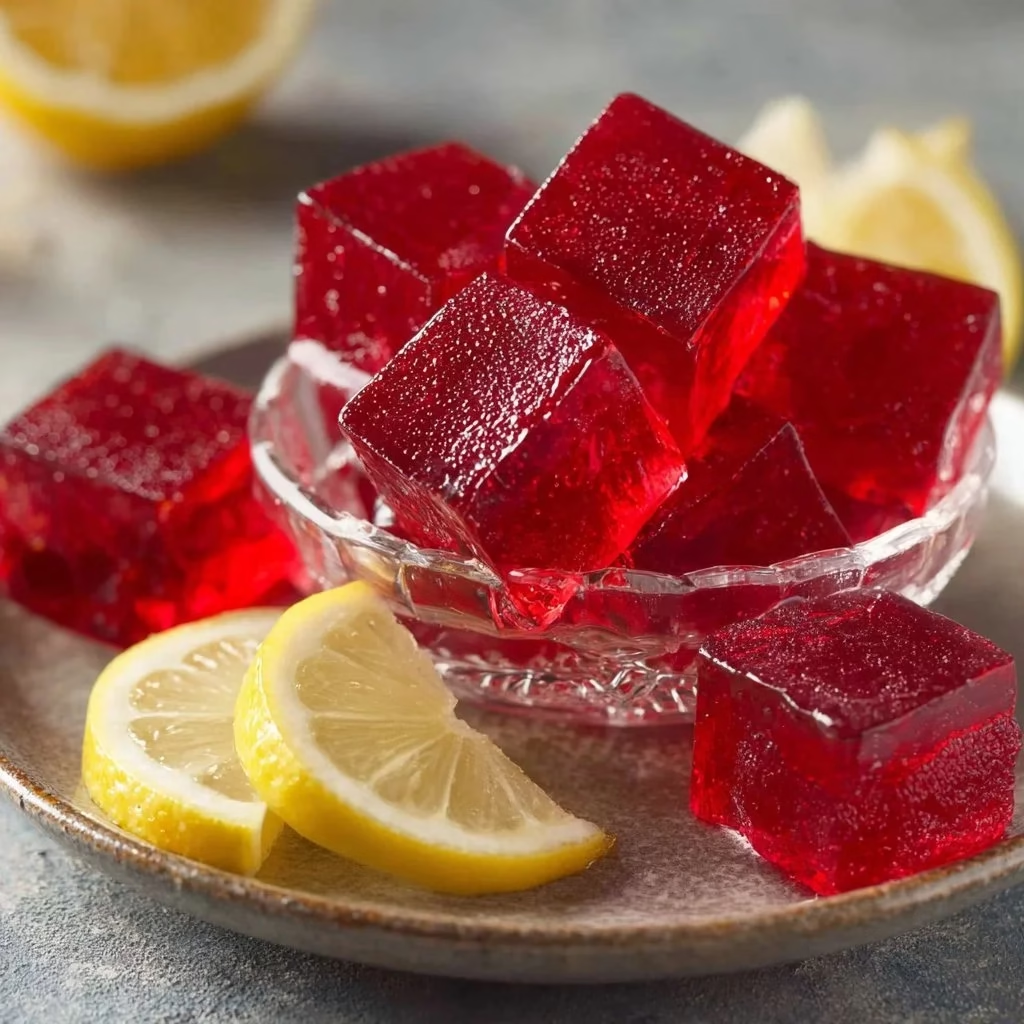
Many people turn to a Jello Recipe for Weight Loss as a simple, low-calorie snack that can help curb cravings and add variety to a slimming plan. This approach typically uses unflavored gelatin or low-sugar flavored gelatin to create a light, slightly wobbly treat that is cool on the tongue, mildly fruity or neutral in aroma, and smooth in texture. Fans praise its easy preparation and the satisfying mouthfeel that can make dessert-time feel indulgent without a big calorie hit. If you like something chilled, tender, and subtly sweet, this recipe is easy to fold into a daily routine, and it might just become your new go-to snack. For an approachable starter, check out a practical version of the method here: simple pink jello method, and keep reading to learn how to make it work for you.
What Is Jello Recipe for Weight Loss?
The Jello Recipe for Weight Loss generally refers to gelatin-based preparations that are low in calories and designed to reduce hunger between meals. Typically made from unflavored collagen or gelatin powder mixed with water and a low-calorie sweetener or natural fruit juice, these recipes produce a firm, chilled dessert that people eat as a substitute for higher-calorie snacks. The texture is soft and gelled, offering a different sensory experience than crunchy or creamy snacks, which can help satisfy the desire to eat without adding many calories.
People use this approach for slimming because gelatin can add volume and a sense of fullness without significant energy. Some versions emphasize consuming the gelatin as an evening snack to reduce late-night eating, while others use it as part of a structured low-calorie day. Nutrition notes: gelatin is a protein derived from collagen and contains specific amino acids such as glycine. While gelatin is not a complete protein and does not replace balanced meals, it can be a helpful tool for appetite control when used with a varied diet. For a simpler take that pares ingredients down, consider testing the 3-ingredient gelatin recipe to see how minimal versions fit your tastes.
Why People Love This Method for Weight Loss
Many people appreciate gelatin-based snacks because they are quick to make, customizable, and feel like a treat without the usual calorie load. The gentle wobble, cold serving temperature, and mild sweetness make it pleasant to eat, and the minimal ingredient list appeals to those who prefer simple kitchen routines.
- Easy ingredients: Most recipes use pantry staples like gelatin, water, and a low-calorie sweetener.
- Low cost: Basic gelatin and flavorings are inexpensive and available at most grocery stores.
- Fits routines: You can prepare multiple portions ahead of time for grab-and-go convenience.
- Helps cravings: The texture and sweetness can reduce the urge for high-calorie desserts.
- Hydration support: Made mostly with water, gelatin snacks can contribute to daily fluid intake and feel refreshing.
For another angle on clear, subtle gelatin treats, you may find inspiration at clear gelatin treats.
Ingredients
- Unflavored gelatin powder or powdered collagen: Provides the gel structure and contains amino acids; substitute agar-agar for a vegetarian option.
- Cold water: Used to bloom the gelatin before dissolving; it should be cool to the touch when first mixed.
- Hot water: Needed to fully dissolve the gelatin; around 110 to 120 F is ideal so it melts smoothly.
- Low-calorie sweetener or small amount of honey or maple syrup: Adds sweetness with fewer calories; replace with stevia or erythritol for zero-calorie options.
- Natural fruit juice or infused herbal tea (optional): For flavor and color; choose lower-sugar juices or dilute them to keep calories in check.
- Fresh fruit pieces or zest (optional): Adds texture and aroma; use berries or citrus for bright flavors.
- Lemon juice or a pinch of salt (optional): Enhances flavor depth and balances sweetness.
For a protein-forward spin or to incorporate recommended variations, see this Dr. Mark Hyman variation for inspiration.
How to Make It (Step-by-Step)
Overview: Making a Jello Recipe for Weight Loss is simple and takes under 30 minutes active time. The main technique is blooming gelatin in cold liquid, dissolving it in hot liquid, then chilling until set. You can prepare single servings in small bowls or a large pan to slice into portions. Chill time is essential for that classic firm yet tender texture.
- Measure and bloom the gelatin. Sprinkle 2 tablespoons of unflavored gelatin over 1/2 cup of cold water in a small bowl and let it sit for 3 to 5 minutes until it swells and thickens. You should feel a soft, spongy texture as the powdered granules absorb liquid.
- Heat the remaining liquid. Warm 1 cup of water or diluted juice to about 110 to 120 F, or until steaming but not boiling; this helps the gelatin dissolve without scorching. A gentle steam and a faint aroma of your chosen flavor indicate the right temperature.
- Combine and dissolve. Pour the hot liquid over the bloomed gelatin and stir for 1 to 2 minutes until completely dissolved and glossy. The mixture should be clear and smooth with no grains.
- Sweeten and flavor. Add your low-calorie sweetener, a splash of lemon, or a few drops of vanilla, tasting as you go; dissolve fully so the texture stays even. The aroma should brighten as flavorings disperse.
- Add extras and pour. Stir in fruit pieces or zest if using, then pour the mixture into molds or a shallow dish for quicker setting. Press gently if adding fruit to avoid clumping.
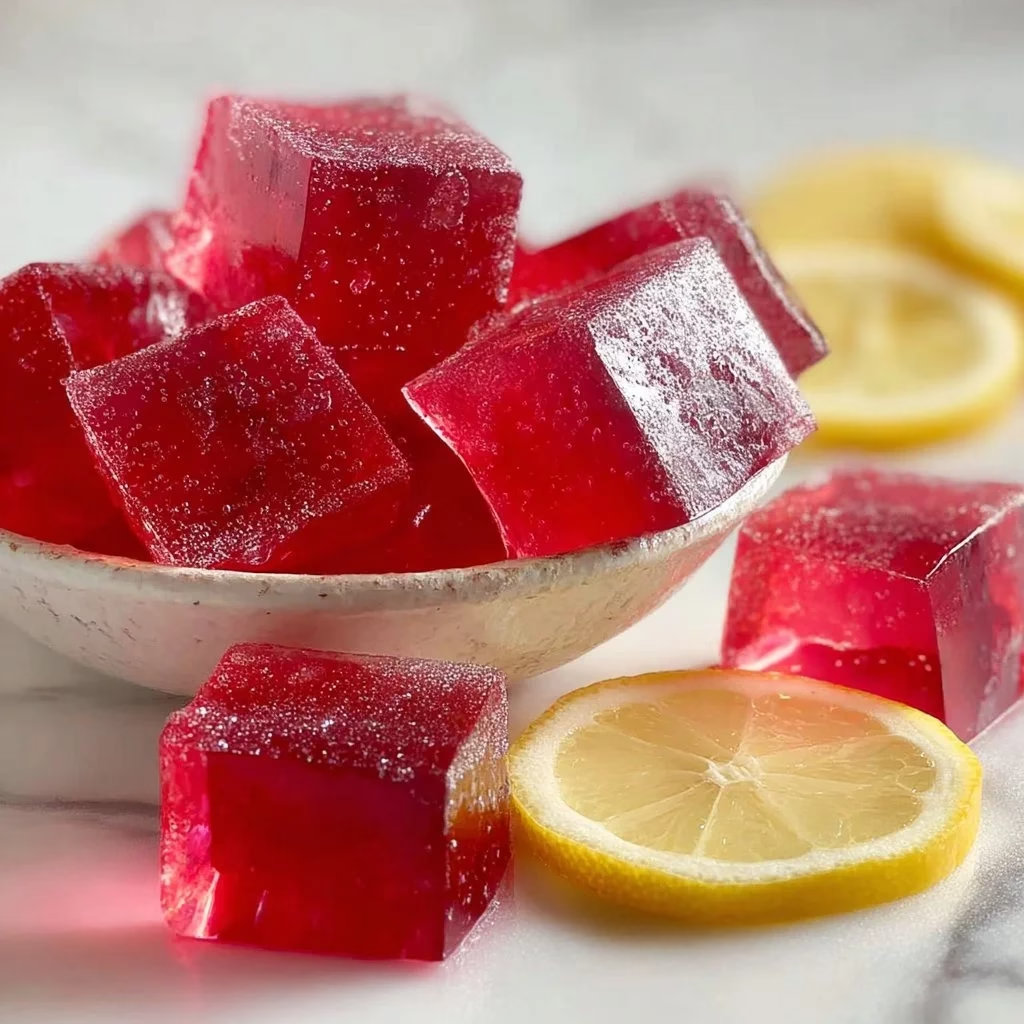
- Chill until set. Refrigerate for 1.5 to 3 hours, depending on container depth, until the dessert is firm and holds its shape with a slight jiggle. A cold, clean scent and firm edges signal readiness.
- Serve and store. Slice or unmold and enjoy chilled; leftovers keep well in a covered container in the fridge for up to 4 days. For best texture, avoid freezing unless you plan to use it in smoothies or melts.
Beginner tip: stir steadily and avoid boiling the gelatin to keep a clear, smooth finish.
How to Use It for Better Weight Loss
Using this gelatin snack strategically can support appetite control and reduce impulse eating, but it should complement a balanced diet rather than replace whole meals. Eating a portion after lunch or as an evening snack can give you a sweet, low-calorie option that delays more calorie-dense choices. Because gelatin adds volume and a sense of novelty, many people find it satisfying enough to prevent reaching for less healthy treats. Monitor portion sizes, keep added sugars low, and combine the snack with regular protein and fiber-rich meals for best results.
- Timing: Try a serving 30 to 60 minutes after a meal or as a planned evening treat to reduce late-night indulgences.
- Portions: Stick to 1/2 to 1 cup per serving to control calories while enjoying satisfying texture.
- Frequency: 3 to 7 servings per week can be part of a varied routine; avoid relying on it daily as the sole strategy.
- Daily habits: Pair with water, protein-rich meals, and regular movement for sustainable results.
- Safety: If you have allergies, kidney issues, or are pregnant, consult your healthcare provider before adding regular gelatin consumption to your routine.
Tips & Variations
This recipe is highly adaptable, so you can make small swaps to match dietary needs or flavor preferences while keeping calories low. Use natural extracts, zero-calorie sweeteners, or dilute stronger juices to fine-tune sweetness. If you follow a plant-based diet, agar-agar can mimic gelatin texture when prepared carefully.
- Low-calorie option: Use unsweetened herbal tea and erythritol for nearly zero calories.
- Flavor options: Try citrus zest, ginger slices, or berry purées for different aromatic profiles.
- Diet-friendly swaps: Replace gelatin with agar-agar for vegetarian needs; note agar sets differently and often requires a brief simmer.
- Protein boost: Stir in a flavored protein powder after the gelatin cools slightly to avoid clumping.
- Presentation: Use silicone molds for individual servings or layer with thin Greek yogurt for a creamier treat.
For another established variation popular online, explore the Dr. Oz pink gelatin recipe for ideas.
Mistakes to Avoid
Even simple recipes can go wrong if you skip key steps or rush the process. Common errors include not blooming the gelatin, overheating it, or adding cold ingredients too quickly, which can lead to grainy or uneven texture. Proper timing and temperature will give you a glossy, consistent set that is pleasant to eat.
- Skipping the bloom step: Always let gelatin sit in cold liquid first so it hydrates, then dissolve it in warm liquid.
- Boiling gelatin: Avoid boiling; high heat can damage texture and reduce gel strength.
- Adding protein too hot: If adding protein powder, let the mix cool slightly to prevent clumping.
- Over-sweetening: Taste as you add sweetener to keep calories in check and avoid overpowering the delicate texture.
- Using deep containers: Shallow pans set faster and more evenly than very deep dishes, so choose molds accordingly.
FAQs
Q: Can I prepare this recipe ahead of time?
A: Yes, you can make gelatin snacks 1 to 3 days before you plan to eat them. Store covered in the refrigerator to prevent odor absorption and to maintain a firm texture. For best flavor and texture, avoid storing for more than 4 days.
Q: How should I store leftover gelatin?
A: Keep leftovers in an airtight container in the refrigerator to maintain moisture and prevent drying. If it loses some firmness, a short chill of 30 minutes will usually restore a pleasant texture before serving.
Q: What substitutions work if I do not like gelatin?
A: Agar-agar is a common vegetarian substitute but requires simmering and sets differently, often more firmly and sometimes more brittle. Adjust liquids according to package instructions and test a small batch first.
Q: When is the best time to eat this for weight loss?
A: Many people find it helpful as an evening or between-meal snack to curb cravings, but the best timing depends on your daily pattern and hunger cues. Use it as part of a structured eating plan rather than a sole method for weight control.
Q: Is this safe if I have dietary restrictions?
A: Gelatin is derived from animal collagen, so it is not suitable for strict vegetarians or vegans; choose agar-agar for those diets. If you have allergies, are pregnant, or have chronic health conditions, consult your healthcare provider before adding daily gelatin snacks.
Conclusion
This article reviewed practical uses and simple preparation for a Jello Recipe for Weight Loss and offered tips to make it satisfying, flexible, and low in calories. For varied takes and to compare experiences, you can read a detailed walk-through at Dr Oz Gelatin Recipe for Weight Loss in 2026: What Really Happens …, check a practical recipe guide at Jello Recipe for Weight Loss – Healthy By Fork, explore a personal experiment and analysis at Jello for Weight Loss? My 21-Day Gelatin Recipe Test, review a critical perspective in this overview at The Real Story of Pink Jello Weight Loss in 2026, and read an evidence-focused summary at What Is the Gelatin Trick for Weight Loss? | The Truth Behind the Trend. These resources offer a range of recipes, experiments, and science-based commentary to help you decide if this approach fits your goals. Try it and tell me how it worked for you!
The information provided in this article is for educational purposes only and should not be considered medical advice. Everyone’s body is different, and what works for one person may not work for another. It’s always best to speak with your healthcare provider before making this a daily habit, especially if you are taking medications, managing a medical condition, or are pregnant or breastfeeding. Always consult your doctor for personalized guidance.
PrintJello Recipe for Weight Loss
A simple and low-calorie Jello recipe designed to reduce cravings and add variety to a weight loss plan.
- Prep Time: 10 minutes
- Cook Time: 10 minutes
- Total Time: 120 minutes
- Yield: 4 servings 1x
- Category: Dessert
- Method: Chilling
- Cuisine: American
- Diet: Low-Calorie
Ingredients
- 2 tablespoons unflavored gelatin powder or powdered collagen
- 1/2 cup cold water
- 1 cup hot water or diluted natural fruit juice
- Low-calorie sweetener (or small amount of honey or maple syrup)
- Optional: Natural fruit juice or infused herbal tea
- Optional: Fresh fruit pieces or zest
- Optional: Lemon juice or a pinch of salt
Instructions
- Measure and bloom the gelatin by sprinkling it over cold water in a bowl and letting it sit for 3–5 minutes.
- Heat the remaining liquid to about 110 to 120°F until steaming but not boiling.
- Combine the hot liquid with the bloomed gelatin and stir until completely dissolved.
- Sweeten and flavor by adding your low-calorie sweetener and any desired flavors.
- Add any optional extras like fruit pieces and pour the mixture into molds.
- Chill the mixture in the refrigerator for 1.5 to 3 hours until firm.
- Serve and store the jello in a covered container in the fridge.
Notes
For best texture, avoid boiling the gelatin. Adjust sweetness to taste.
Nutrition
- Serving Size: 1 serving
- Calories: 50
- Sugar: 2g
- Sodium: 10mg
- Fat: 0g
- Saturated Fat: 0g
- Unsaturated Fat: 0g
- Trans Fat: 0g
- Carbohydrates: 12g
- Fiber: 0g
- Protein: 1g
- Cholesterol: 0mg
Keywords: jello recipe, low-calorie snack, weight loss dessert, gelatin dessert, healthy snacks